
Semaglutide | CAS 910463-68-2
- cas:910463-68-2
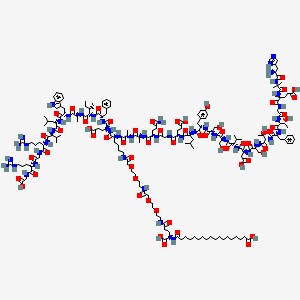
- Molecular Formula:C187H291N45O59
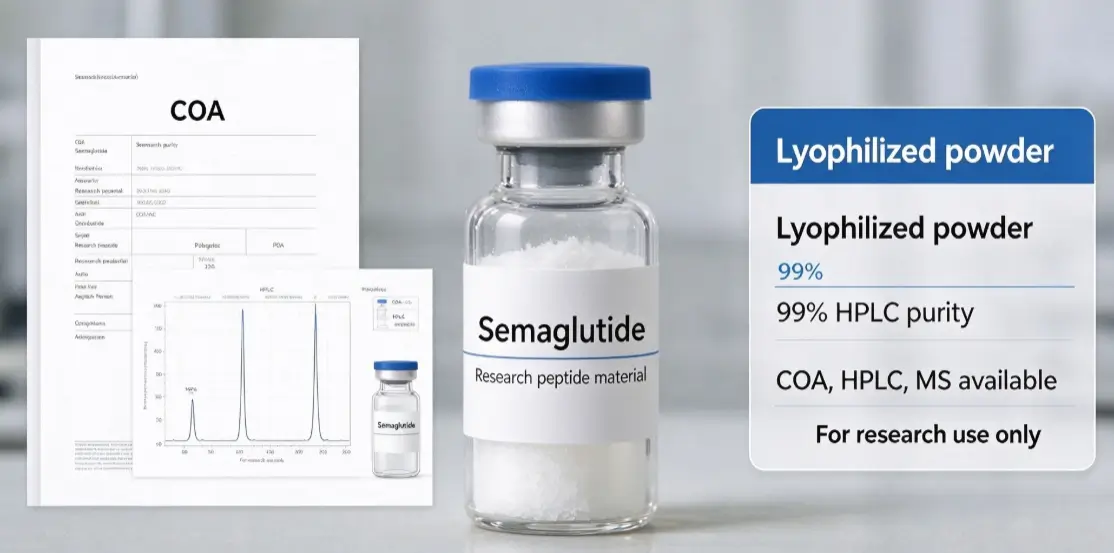
- Purity:99% (HPLC)
- Molecular Weight:4113.58
Product Details
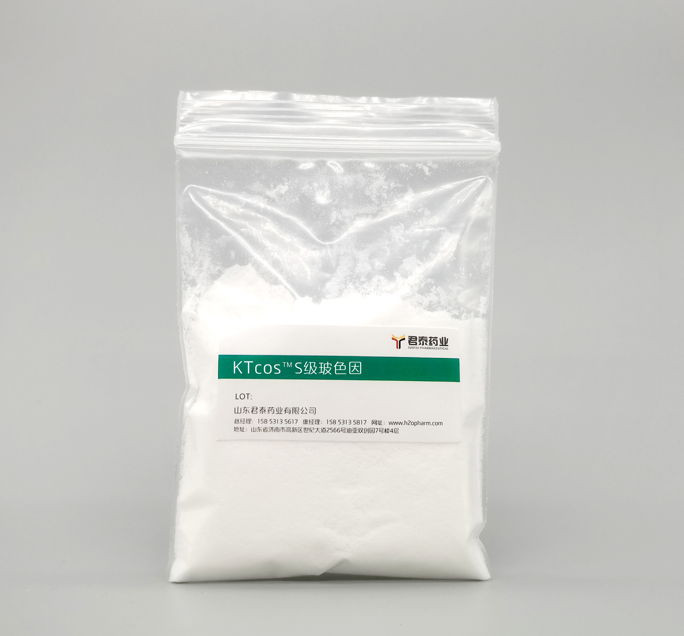
Appearance: White to off-white lyophilized powder
Product Overview
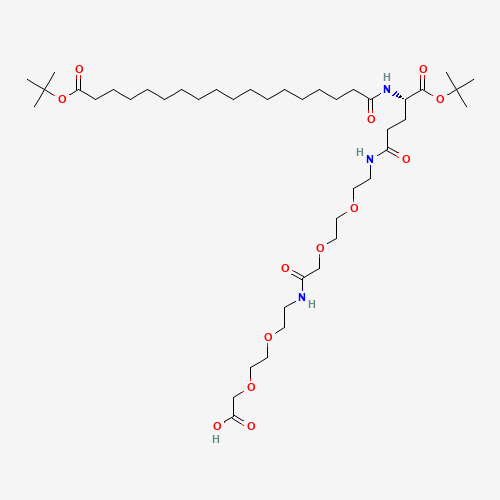
Semaglutide (CAS 910463-68-2) is a 31-amino-acid lipidated peptide analog derived from human GLP‑1(7‑37) sequence. This is research-grade semaglutide peptide material for laboratory study only, not the approved pharmaceutical drug. Its molecular design incorporates Aib8 and Arg34 substitutions with site-specific lipidation at Lys26, where a hydrophilic AEEA linker connects the peptide backbone to a C18 fatty diacid. This defined modification pattern makes semaglutide relevant to GLP‑1 receptor research, lipidated peptide studies, peptide characterization, and analytical method development. Shandong Juntai Pharmaceutical supports B2B R&D projects involving semaglutide, GLP‑1 related peptides, lipidated peptide structures, and related peptide synthesis building blocks.
Product Information
| Item | Information |
|---|---|
| Product Name | Semaglutide |
| CAS No. | 910463-68-2 |
| Molecular Formula | C187H291N45O59 |
| Molecular Weight | 4113.58 g/mol |
| Peptide Length | 31 amino acids |
| Structural Basis | Human GLP‑1(7‑37) analog |
| Key Substitutions | Aib8, Arg34 |
| Lipidation Site | Lys26 |
| Lipid Modification | C18 fatty diacid linked through a hydrophilic AEEA spacer |
| Product Type | Lipidated GLP‑1 Analog / Modified Peptide |
| Research Target | GLP‑1 Receptor (GLP‑1R) |
| Category | GLP‑1 & Metabolic Peptides |
| Appearance | White to off-white powder / lyophilized powder |
| Purity | 99% (HPLC) |
| Storage | Sealed, protected from moisture and stored at low temperature |
| Intended Use | Research and development use only |
Product Features
Defined GLP‑1(7‑37)-Based Peptide Backbone
Semaglutide retains a GLP‑1-related 31-amino-acid peptide backbone while incorporating specific structural changes at positions 8, 26, and 34. The Aib8 and Arg34 substitutions are part of the defined peptide identity; while Lys26 serves as the attachment site for the lipidated side chain. These structural elements should be considered together when confirming material identity or comparing semaglutide-related peptide structures.
Site-Specific Lipidation at Lys26
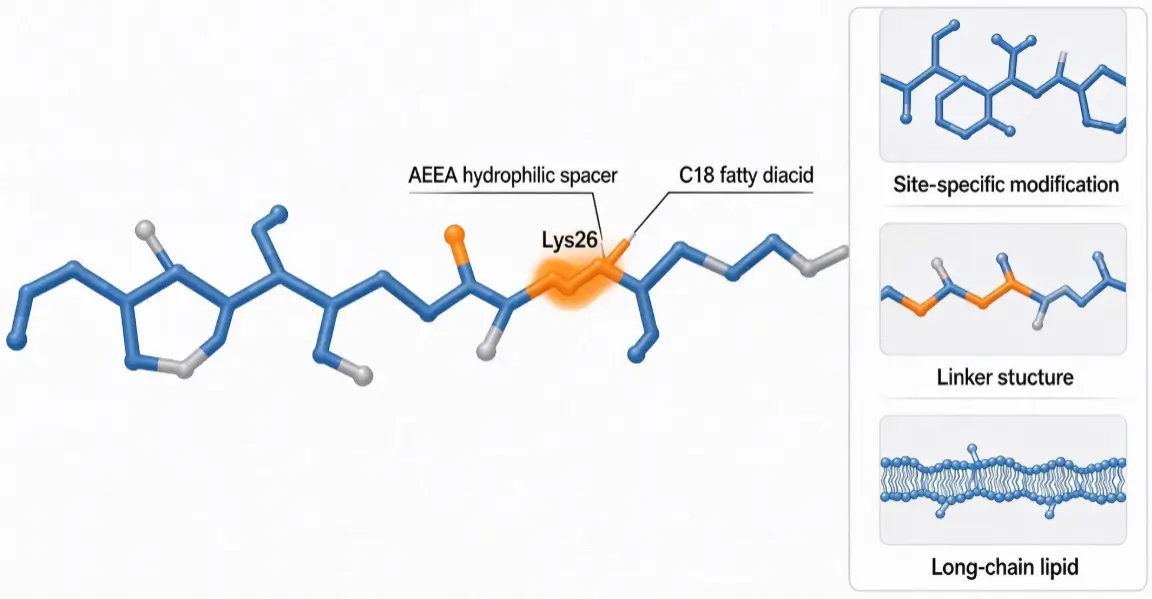
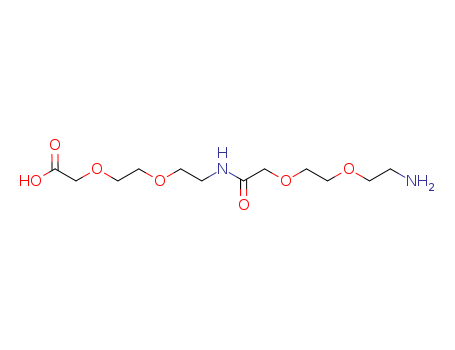
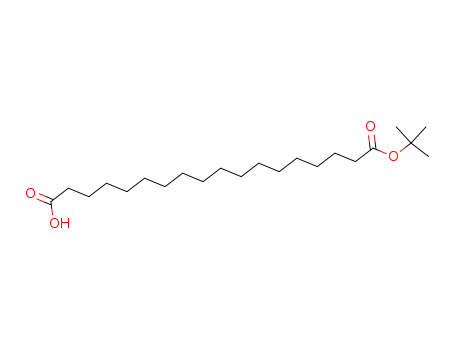
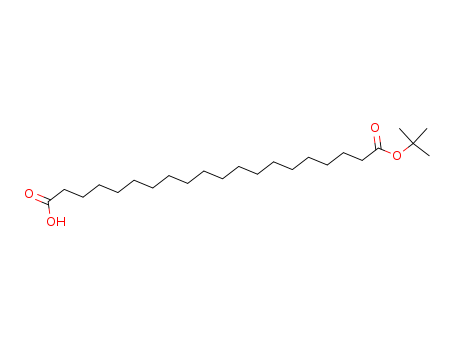
A key feature of semaglutide is the side-chain modification attached to Lys26. The side chain includes a hydrophilic AEEA linker and a C18 fatty diacid, forming a characteristic lipidated peptide architecture. For R&D and sourcing teams, the attachment site, AEEA linker structure, and long-chain lipid component are important parameters when evaluating semaglutide or related intermediates.
Comprehensive Analytical Identification
For a structurally modified peptide, HPLC purity alone does not fully establish identity. A more complete analytical evaluation may include:
- HPLC purity test
- Molecular-weight verification
- MS / LC-MS identity confirmation
- Peptide backbone confirmation
- Lipid side-chain characterization
- Modification-site confirmation
- Related impurity profiling This approach is particularly useful for comparing batches, evaluating synthetic routes, or establishing project-specific analytical requirements.
Research Applications
GLP‑1 Receptor Interaction Research
Semaglutide is relevant to GLP‑1 receptor (GLP‑1R) research, including ligand‑receptor interaction, receptor pharmacology, signaling studies, and comparative GLP‑1 analog research. Experimental results should be interpreted within the specific assay model and research system used.
Site‑Specific Lipidation & Linker Research
The Lys26-linked side chain makes semaglutide a useful reference structure for research involving:
- Site-specific peptide lipidation
- Fatty-acid modified peptides
- Peptide linker systems
- Peptide-albumin interaction studies
- Modified lysine building blocks
- Structure-function relationships The AEEA linker and C18-derived long-chain structure are especially relevant to peptide synthesis and process development research.
Peptide Structural Characterization & Analytical Method Development
Semaglutide may also be used in:
- HPLC method development
- LC-MS characterization
- Molecular weight confirmation
- Modified peptide identity testing
- Lipidation-related structural analysis
- Related impurity studies These applications are relevant to peptide R&D, analytical development, and process-development teams.
Custom Support
Shandong Juntai Pharmaceutical supports semaglutide-related and other lipidated peptide projects according to the target structure and analytical requirements. Project discussions may include:
- GLP‑1 related peptide sequences
- Non-natural amino acid incorporation
- Aib-containing peptides
- Site-specific lipidation
- Fatty diacid and linker modifications
- Modified lysine building blocks
- Target purity requirements
- HPLC / MS / LC-MS analysis
- Project-specific quantities and packaging
Our current portfolio also includes peptide side-chain building blocks relevant to lipidated peptide research, including Fmoc-Lys(Oct)-OH(CAS 1662688-20-1) AEEA (CAS 114351-05-5), and Octadecanedioic Acid. These materials represent different structural stages and should be selected according to the intended synthesis route.
Frequently Asked Questions
- What is the difference between research-grade semaglutide peptide and the pharmaceutical drug? This semaglutide material is research-grade peptide for laboratory research only. It is not the finished pharmaceutical product, and it is not approved for clinical administration or human use.
- What documents are provided for each batch of semaglutide peptide? Relevant batch-specific documentation can be reviewed according to the actual supply batch. If your project requires specific identity, purity, molecular-weight, or modification-related data, please include these requirements within your inquiry. We can provide COA, HPLC and LC-MS reports.
- What is the lipidation structure of semaglutide? What is the role of AEEA linker? Lipidation occurs at Lys26. A C18 fatty diacid is connected to the peptide via an AEEA hydrophilic spacer. The AEEA linker improves solubility and controls the spatial distance between the fatty acid chain and peptide backbone.
- What are the MOQ, packaging options, and lead time? These depend on the requested quantity, specification, packaging format, and current project arrangement. Small R&D quantities and larger B2B requirements can be evaluated separately. Please contact us for details.
- Can higher purity or project-specific analytical criteria be requested? Yes. Target purity, related impurities, HPLC, MS / LC-MS, and other analytical requirements can be evaluated based on the project.
- Does Juntai support semaglutide-related intermediates and building blocks? Yes. We supply several linker, long-chain and lipidated lysine building blocks associated with peptide side-chain research. Because these intermediates represent different structural and protection states, the exact CAS number and intended role in the synthesis route should be confirmed before sourcing.
- What storage conditions are required for semaglutide lyophilized powder? Store sealed, away from moisture, under low temperature. Avoid repeated freeze-thaw cycles to maintain peptide integrity.
Order & Delivery
We support small R&D trial orders and bulk commercial supply. Multiple packaging specifications are available. All products are strictly tested before shipment. Contact us to get COA, HPLC spectrum and quotation.
Relevant Products
-
 Fmoc-Glu(OtBu)-Gly-Gly-OH
CAS:N/A
-
 Venetoclax Intermediates
CAS:1257044-40-8
-
 Tirzepatide
CAS:2023788-19-2


