
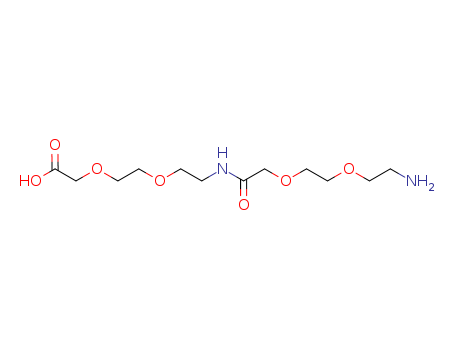
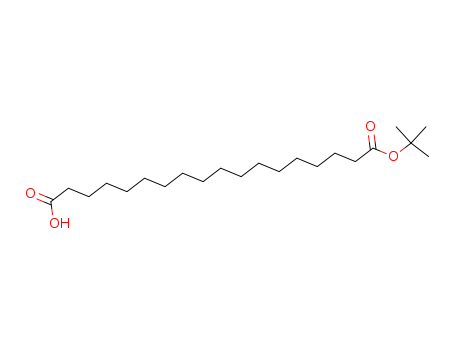
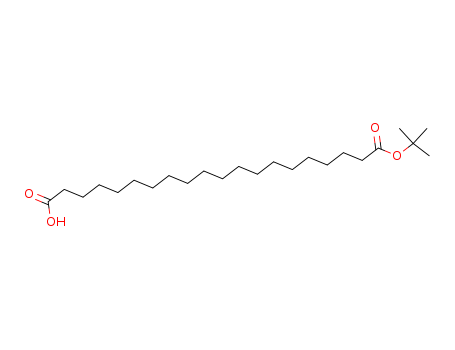
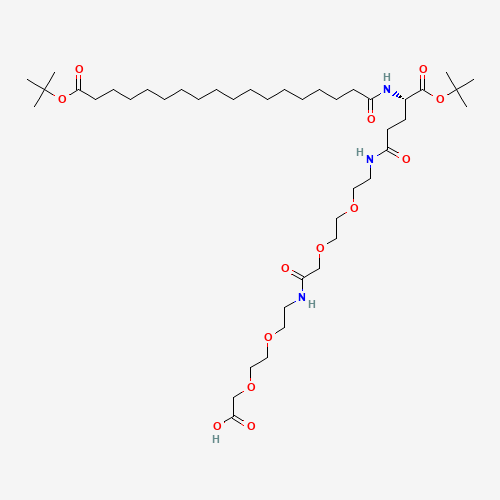
![Fmoc-L-Lys[C20-OtBu-γ-Glu(OtBu)-AEEA-AEEA]-OH](/upload/2026/7/89-1.jpg "Fmoc-L-Lys[C20-OtBu-γ-Glu(OtBu)-AEEA-AEEA]-OH")
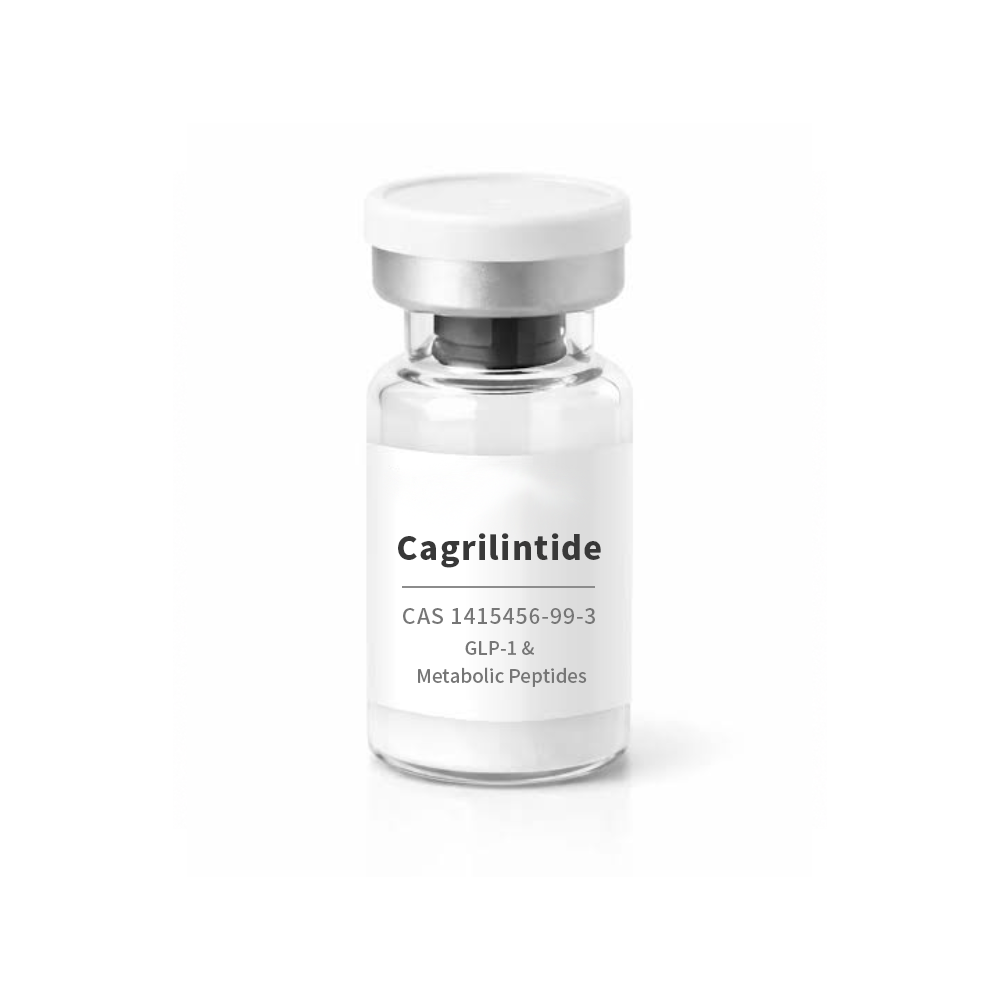
Cagrilintide | CAS 2023788-19-2
- cas:2023788-19-2
- Molecular Formula:C225H348N48O68
- Purity:≥98%(HPLC)
- Molecular Weight:4813.45 g/mol
Product Details
CasNo: 2023788-19-2
Molecular Formula: C225H348N48O68
Appearance: White to off-white powder / lyophilized powder
Delivery Time: Confirmed according to quantity, specification, and project requirements
Packing: According to quantity and project requirements
Throughput: Project-based
Purity: ≥98%(HPLC)
Product Overview
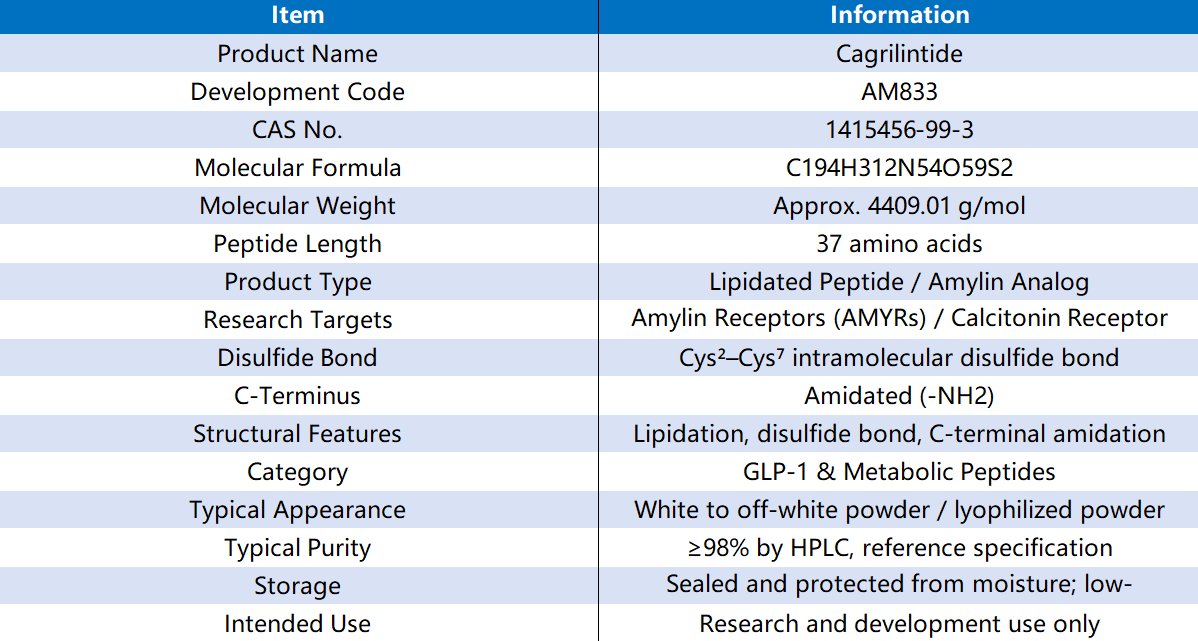
Cagrilintide, CAS 1415456-99-3, also known by the development code AM833, is a 37-amino-acid lipidated peptide designed as a long-acting amylin analog.
Its molecular structure combines several features relevant to peptide R&D, including lipidation, an intramolecular Cys²–Cys⁷ disulfide bond, and C-terminal amidation. These modifications distinguish Cagrilintide from conventional linear peptides and make structural identity an important consideration during sourcing and analytical characterization.
Cagrilintide is primarily used in research involving amylin receptors (AMYRs), calcitonin receptor (CTR), peptide–receptor interactions, lipidated peptide design, and analytical characterization.
Shandong Juntai Pharmaceutical supports B2B research projects involving Cagrilintide, amylin-related peptides, and other modified or lipidated peptide sequences.
Product Information
Product Features
37-Amino-Acid Lipidated Peptide
Cagrilintide is built on a 37-amino-acid amylin-related peptide framework and contains a lipid-related modification.
For lipidated peptides, structural verification generally requires more than a single HPLC purity value. The peptide backbone, modification site, linker-related structure, and overall molecular weight should be considered together during analytical evaluation.
Defined Intramolecular Disulfide Bond
Cagrilintide contains a Cys²–Cys⁷ intramolecular disulfide bond, which forms part of its defined molecular structure.
For disulfide-containing peptides, sequence identity and molecular-weight data can be combined with MS / LC-MS characterization to support structural confirmation during R&D and sourcing projects.
C-Terminal Amidation
The C-terminus of Cagrilintide is present in an amidated form (-NH2).
Terminal modification is an important parameter in peptide identification because it affects calculated molecular weight and overall molecular structure. It should therefore be evaluated together with lipidation and disulfide-bond information.
An Amylin Analog Rather Than a GLP-1 Analog
Although Cagrilintide is commonly grouped with metabolic research peptides, its molecular identity is different from GLP-1 analogs.
Cagrilintide is more accurately described as a lipidated amylin analog, with research interest centered on:
- Amylin receptor pharmacology
- AMYR / CTR signaling
- Peptide–receptor interactions
- Lipidated peptide structure
- Modified metabolic peptide characterization
This distinction is important when comparing Cagrilintide with other metabolic peptide candidates.
Research Applications
Amylin Receptor Research
Cagrilintide may be used in studies involving the amylin receptor family (AMYRs), including receptor interaction, receptor pharmacology, and signaling-related research.
Experimental interpretation should remain specific to the receptor system, assay format, and model used.
Calcitonin Receptor Research
Cagrilintide is also relevant to research involving the calcitonin receptor (CTR).
Potential research areas include receptor binding, signaling mechanisms, ligand–receptor interaction studies, and peptide structure–function relationships.
Lipidated Peptide Research
Its lipidated structure makes Cagrilintide relevant to projects involving:
- Lipidated peptide design
- Acylated peptide research
- Peptide linker studies
- Modification-site characterization
- Structure–function studies
- Modified peptide comparison
For these projects, lipid chain, linker structure, attachment site, and molecular weight can all be important analytical parameters.
Structural and Analytical Characterization
Cagrilintide may also support analytical development involving:
- HPLC purity analysis
- MS / LC-MS identity confirmation
- Molecular-weight verification
- Disulfide-containing peptide characterization
- Lipidation-related structural analysis
- Related impurity profiling
- Analytical method development
Custom Support
Cagrilintide-related peptides, amylin analogs, lipidated peptides, and other modified metabolic peptide projects can be evaluated according to the requested structure and analytical requirements.
Project discussions may include:
- Amylin-related sequences
- Lipidated peptide design
- Fatty-acid and linker modifications
- Site-specific amino-acid substitutions
- Disulfide-bond formation
- N-terminal or C-terminal modifications
- C-terminal amidation
- Target purity requirements
- HPLC / MS / LC-MS analysis
- Project-specific quantities and packaging
Feasibility is evaluated according to peptide length, modification complexity, purity target, quantity, and analytical scope.
Frequently Asked Questions
Can batch-specific COA, HPLC, or MS / LC-MS documentation be provided?
Relevant analytical documentation can be reviewed according to the actual supply batch. If your project requires specific identity, purity, molecular-weight, or modification-related data, please include these requirements in your inquiry.
What is the MOQ for Cagrilintide?
MOQ depends on the target purity, quantity, packaging format, and current project arrangement. Small R&D quantities and larger project requirements can be evaluated separately.
Can project-specific purity or additional analytical testing be requested?
Yes. Requirements involving higher target purity, related impurities, HPLC, MS / LC-MS, or other analytical criteria can be evaluated before quotation.
Can lipidation and disulfide-bond related characterization be discussed?
Yes. Depending on the project, requirements involving molecular weight, lipidation-related structure, disulfide-bond information, or other identity parameters can be reviewed.
Can other amylin analogs or lipidated peptides be customized?
Yes. Projects involving amylin-related sequences, lipidation, linker design, disulfide-bond formation, or other modified metabolic peptides can be evaluated according to the requested structure.
How is batch-to-batch consistency handled for ongoing projects?
For repeat or larger-scale projects, key analytical requirements can be defined in advance and reviewed using batch-specific COA, HPLC, MS / LC-MS, and other agreed characterization data.
For research and development use only.
Relevant Products
-
 Fmoc-Glu(OtBu)-Gly-Gly-OH
CAS:N/A
-
 Ipamorelin
CAS:170851-70-4
-
 Tesamorelin
CAS:218949-48-5


