
Synthesis Challenges and CDMO Solutions for Semaglutide, Tirzepatide, Cagrilintide, Retatrutide
2026.11.23
Meta Description: Explore the chemical synthesis and purification challenges behind multi-agonist metabolic peptides like Semaglutide, Tirzepatide, Cagrilintide, and Retatrutide. Learn how our peptide API intermediates and custom CDMO services support global R&D.
The global landscape of metabolic disease research is evolving rapidly. Following the clinical success of single-agonist GLP-1 receptor agonists, pharmaceutical innovation has accelerated toward dual- and triple-agonist therapies, alongside amylin analogs.
For drug developers and research institutions, molecules such as Semaglutide, Tirzepatide, Cagrilintide, and Retatrutide represent the forefront of metabolic peptide development. Each one carries distinct structural complexities and manufacturing hurdles that demand refined peptide synthesis and purification workflows.
Structural Evolution: From Single to Multi-Target Peptides
As therapeutic candidates progress from single-receptor activation to multi-receptor synergy, peptide sequences have grown longer and chemically more intricate. Each lead molecule presents unique synthetic requirements.
Semaglutide (GLP-1 Agonist)
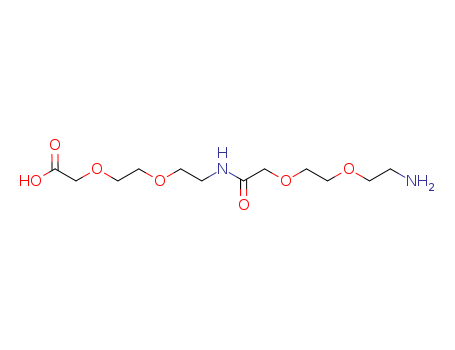
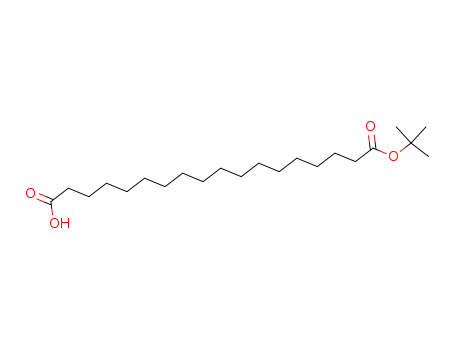
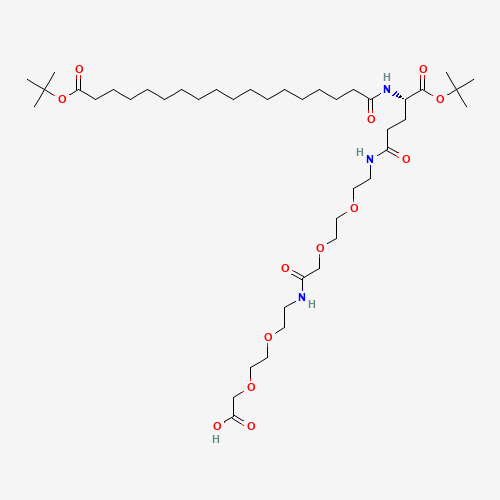
Semaglutide features a modified 31-amino-acid backbone with a C18 fatty diacid side chain linked via a hydrophilic spacer. Its production requires precise site-specific acylation to extend in vivo half-life. Poor acylation control creates hard-to-remove related impurities that slow downstream development.
Tirzepatide (Dual GIP/GLP-1 Agonist)
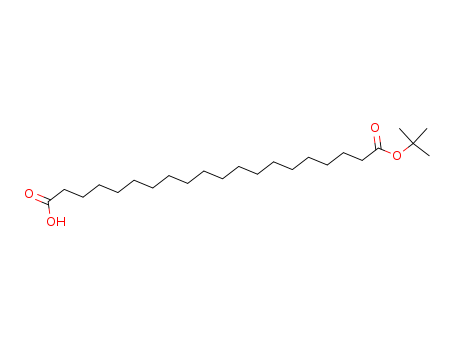
Tirzepatide is a 39-amino-acid linear peptide incorporating non-coded amino acids such as Aib, plus a C20 fatty diacid moiety. High coupling efficiency is critical here to avoid deletion sequences, one of the most common failure points for contract synthesis teams.
Cagrilintide (Long-Acting Amylin Analog)
Cagrilintide is engineered to overcome the natural tendency of human amylin to fibrillate and aggregate. It demands specialized synthesis routes and tightly controlled purification conditions to lock in structural stability across batches.
Retatrutide (Triple GLP-1/GIP/GCGR Agonist)
Retatrutide packs triple-receptor activity into a heavily modified peptide scaffold. It pushes the technical limits of solid-phase peptide synthesis (SPPS) and creates major scaling challenges for purification teams moving from lab to larger batches.
Key CMC Challenges for Metabolic Peptide Manufacturing
Producing high-purity metabolic peptides and their protected building blocks at scale means overcoming a consistent set of technical bottlenecks.
- Deletion and racemization impurity control: Longer peptide chains raise the risk of closely related impurities, including single amino acid deletions and D-isomers. These impurities have similar retention properties and are difficult to separate with preparative HPLC.
- Precision side-chain modification: Installing bulky albumin-binding fatty acid chains relies on optimized orthogonal protection strategies. The goal is high yield paired with strict regioselectivity.
- Aggregation control: Aggregation-prone sequences such as Cagrilintide require custom solvent systems and gentle lyophilization protocols. This is essential to avoid product loss and maintain reliable batch-to-batch consistency.
How Our Peptide Intermediates & CDMO Services Support Your Pipeline
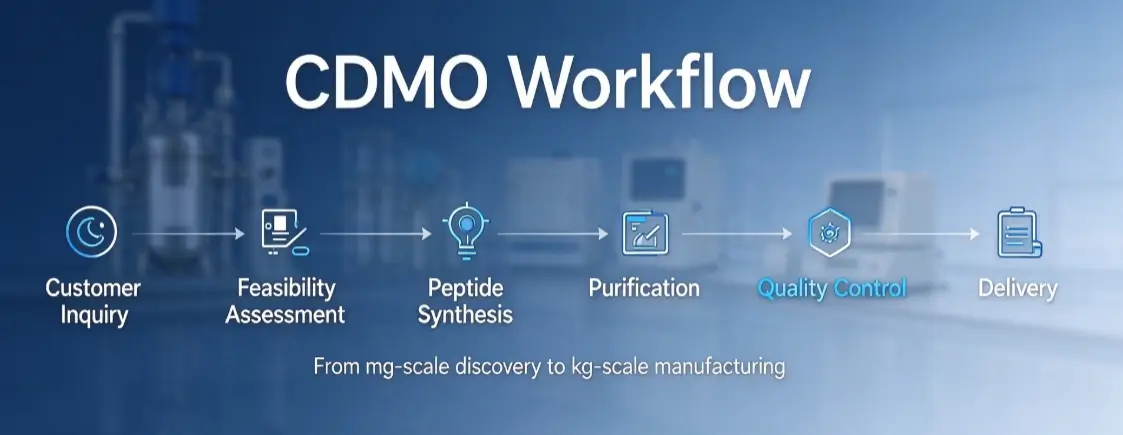
At our Company, we bridge the gap between complex peptide chemistry and reliable commercial supply. We support biotech startups and mid-sized pharma partners across North America, Europe and APAC with flexible peptide CDMO solutions.
- High-Purity Peptide Intermediates & Building Blocks: We supply custom-protected amino acids, side-chain linkers, and key peptide fragments manufactured under strict quality management systems.
- End-to-End Custom Peptide Synthesis (CDMO): Our capacity covers milligram-scale early discovery through kilogram-scale process development. We deploy advanced SPPS, liquid-phase peptide synthesis (LPPS), and hybrid synthesis technologies for hard-to-make metabolic peptides.
Partner with Us for Metabolic Peptide Development
Whether you are advancing early-stage discovery or optimizing scale-up processes for complex metabolic peptides, our technical team is ready to deliver tailored synthesis and supply solutions.
Choose the option that fits your current project stage:
✅ Request a technical discussion with our peptide chemist
✅ Submit an inquiry for custom peptide synthesis feasibility review
✅ Request a quote for peptide intermediates or CDMO manufacturing
✅ Download our Peptide CDMO Capability Sheet
Contact our team today to discuss your custom CDMO project specifications.
FAQ
What are the most common impurities in GLP‑1 multi‑agonist peptide synthesis?
Deletion impurities, racemized D-amino acid isomers, acylation positional isomers and aggregation-related variants are the top technical risks for multi-agonist peptides.
What production scales can your peptide CDMO support for metabolic peptides?
We support projects from mg-scale discovery work up to kg-scale process development and GMP production for peptide intermediates.
Can you supply protected peptide fragments for Retatrutide and Cagrilintide?
Yes. We offer custom protected fragments and key building blocks for Retatrutide, Cagrilintide, Semaglutide and Tirzepatide research programs.
Disclaimer: All products and services mentioned are intended strictly for laboratory research, process development, and manufacturing use by qualified entities. Products protected by valid patents are offered solely for purposes permitted under applicable patent laws (such as regulatory Bolar exemptions).


