
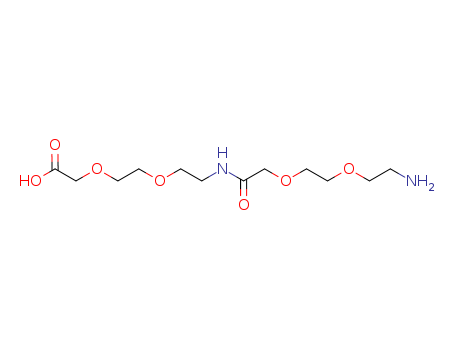
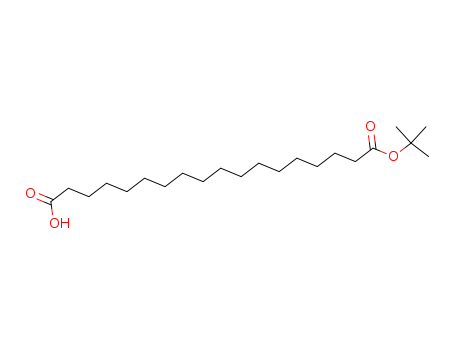
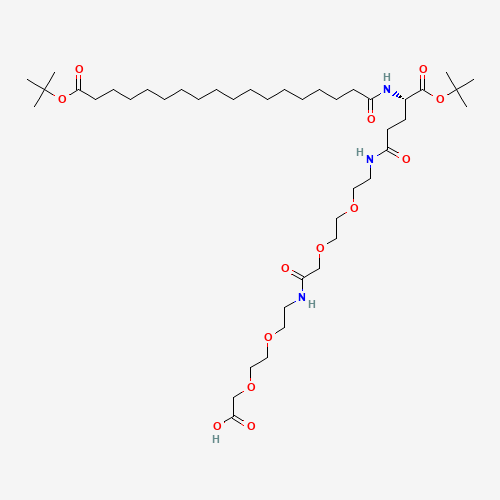
![Fmoc-L-Lys[C20-OtBu-γ-Glu(OtBu)-AEEA-AEEA]-OH](/upload/2026/7/89-1.jpg "Fmoc-L-Lys[C20-OtBu-γ-Glu(OtBu)-AEEA-AEEA]-OH")
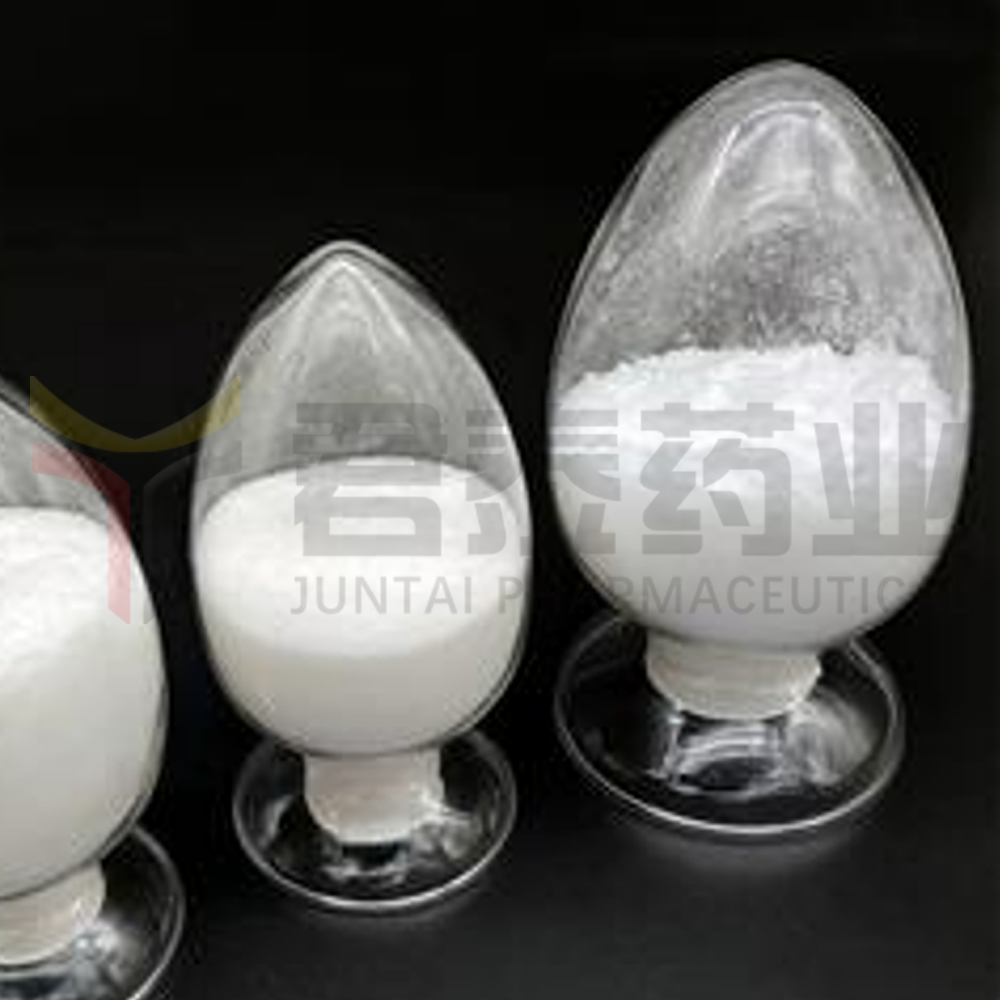
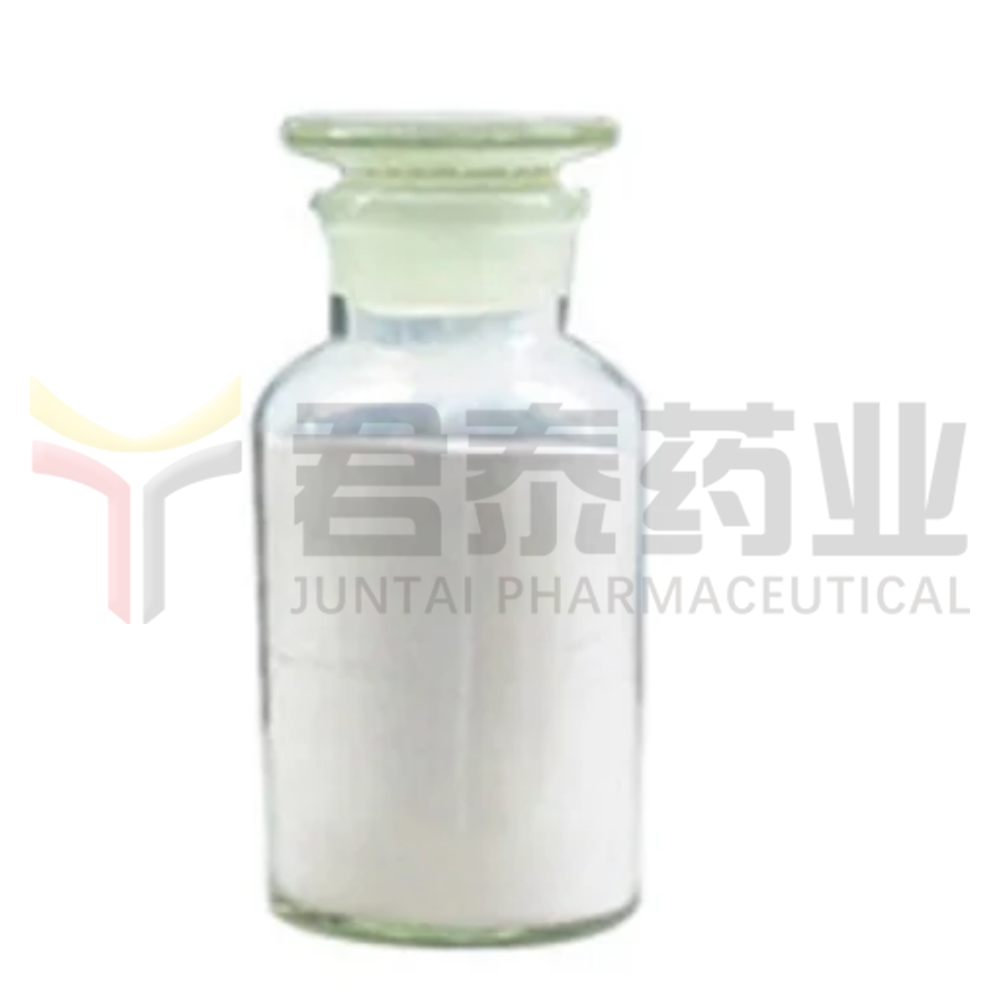
Retatrutide | CAS 2381089-83-2
- cas:2381089-83-2
- Molecular Formula:C221H342N46O68
- Purity:≥99.0% by HPLC
- Molecular Weight:4731.33 g/mol
Product Details
CasNo: 2381089-83-2
Molecular Formula: C221H342N46O68
Appearance: White to off-white lyophilized powder
Delivery Time: Confirmed according to order quantity, target specification, analytical requirements, and current supply availability
Packing: Available according to order quantity and project requirements
Throughput: Evaluated based on project requirements, specifications, and order quantity
Purity: ≥99.0% by HPLC
Product Overview
Retatrutide, CAS 2381089-83-2, also known by the development code LY3437943, is a 39-amino-acid synthetic lipidated peptide designed for research involving GIP, GLP-1, and glucagon receptor signaling.
Retatrutide contains non-natural amino acid residues, a lipidated lysine side chain, and a C-terminal amide. These structural features distinguish it from conventional linear peptides and make product identity, modification integrity, impurity control, peptide content, and residual solvent analysis important parts of quality evaluation.
Shandong Juntai Pharmaceutical supports B2B supply of Retatrutide for peptide R&D, receptor pharmacology research, analytical development, and related laboratory projects. A current production batch has been evaluated for HPLC purity, individual impurities, water content, peptide content, residual solvents, microbial limits, and bacterial endotoxin.
Retatrutide remains an investigational molecule and should be positioned for research and development use rather than as a marketed therapeutic product.
Product Information
| Item | Information |
|---|---|
| Product Name | Retatrutide |
| Development Code | LY3437943 / LY-3437943 |
| CAS No. | 2381089-83-2 |
| Molecular Formula | C221H342N46O68 |
| Molecular Weight | 4731.33 g/mol |
| Peptide Length | 39 amino acids |
| Product Type | Lipidated Synthetic Peptide |
| Research Category | GIP / GLP-1 / Glucagon Triple Receptor Agonist Peptide |
| Category | GLP-1 & Metabolic Peptides |
| Appearance | White to off-white lyophilized powder |
| HPLC Purity Specification | ≥99.0% |
| Storage | Sealed at -20°C ±5°C |
| Main Use | Receptor pharmacology research, peptide characterization, analytical method development, and related R&D projects |
Product Features
39-Amino-Acid Lipidated Peptide
Retatrutide is a structurally modified 39-residue peptide rather than a simple native peptide sequence.
Its design includes non-natural amino acid residues and a lipidated lysine side chain. These structural elements increase the importance of confirming not only peptide identity and purity, but also modification integrity and related impurities.
For technical evaluation, relevant parameters may include:
- Peptide identity
- Molecular weight
- Sequence and modification integrity
- HPLC purity
- Individual impurities
- Peptide content
- Residual solvents
- Water content
- Batch consistency
Triple Receptor Research Profile
Retatrutide is designed as a GIP / GLP-1 / glucagon triple receptor agonist peptide.
For B2B research applications, the product is therefore more appropriately positioned around:
- Receptor pharmacology research
- Multi-receptor peptide studies
- Metabolic peptide research
- Structure–activity relationship studies
- Lipidated peptide characterization
rather than consumer-facing benefit claims.
More Complex Quality Control Than Conventional Short Peptides
Lipidation and non-natural amino acid incorporation make Retatrutide more analytically complex than a conventional short linear peptide.
A complete quality assessment should therefore consider more than HPLC purity alone. Parameters such as individual impurity, peptide content, water, residual solvents, microbial limits, and bacterial endotoxin can provide a more complete view of batch quality.
Lyophilized Product Form
The current product form is white to off-white lyophilized powder.
For lyophilized peptides, storage temperature, moisture control, packaging integrity, and transport conditions are important to product stability and should follow the applicable batch documentation.
Research Applications
GIP / GLP-1 / Glucagon Receptor Research
Retatrutide may be used in laboratory studies involving GIP, GLP-1, and glucagon receptor signaling and related receptor pharmacology.
Any biological findings should be interpreted within the specific experimental model and should not be presented as established clinical outcomes.
GLP-1 and Metabolic Peptide Research
Retatrutide can be evaluated in projects involving:
- GLP-1-related peptide research
- Multi-receptor agonist design
- Metabolic peptide research
- Lipidated peptide development
- Structure–activity relationship studies
- Peptide modification research
Peptide Characterization
Its modified structure makes Retatrutide suitable for analytical work involving:
- HPLC purity analysis
- MS / LC-MS identity confirmation
- Related impurity analysis
- Peptide content evaluation
- Modification integrity studies
- Batch-to-batch analytical comparison
Analytical Method Development
Retatrutide can also be used in the development and optimization of analytical methods for modified peptides, including:
- HPLC method development
- LC-MS characterization
- Identity testing
- Impurity profiling
- Residual solvent analysis
- Water determination
- Peptide content testing
Quality & Supply
A current Shandong Juntai Pharmaceutical batch has been tested against an established internal quality specification.Representative Batch Quality Data
| Test Item | Specification | Representative Batch Result |
|---|---|---|
| Appearance | White to off-white lyophilized powder | Complies |
| Identification | Conforms to reference standard | Complies |
| pH | 6.0–9.0 | 7.6 |
| Water | ≤8.0% | 6.3% |
| Individual Impurity | ≤0.5% | 0.3% |
| HPLC Purity | ≥99.0% | 99.4% |
| Peptide Content | ≥80.0% | 92.9% |
| Methylene Chloride | ≤600 ppm | N.D. |
| Acetonitrile | ≤410 ppm | 300 ppm |
| Methanol | ≤300 ppm | 300 ppm |
| N,N-Dimethylformamide | ≤880 ppm | N.D. |
| Isopropyl Ether | ≤5000 ppm | N.D. |
| Aerobic Bacterial Count | ≤1000 CFU/g | Complies |
| Mould & Yeast | ≤100 CFU/g | Complies |
| Bacterial Endotoxin | <10 EU/mg | Complies |
These values represent a specific tested batch and should not be interpreted as fixed results for every future batch. Final released material should always be evaluated against its corresponding COA.
Key Quality Parameters
For Retatrutide sourcing, buyers may consider:
- HPLC purity
- Individual impurity
- Peptide content
- Identity
- Water content
- Residual solvents
- Microbial limits
- Bacterial endotoxin
- Storage conditions
- Batch-specific COA
Shandong Juntai Pharmaceutical can review supply requirements according to target quantity, purity, packaging, and analytical expectations.
Custom Support
Projects involving Retatrutide and other GLP-1 / metabolic peptides can be evaluated according to the target structure and technical requirements.
Project discussions may include:
- Retatrutide R&D supply
- GLP-1 and metabolic peptide projects
- Lipidated peptide synthesis
- Non-natural amino acid-containing peptides
- Linker and fatty-acid side-chain modification
- Target purity requirements
- HPLC / MS analytical requirements
- Related impurity control
- Project-specific packaging and quantities
- Related peptide analogs
Feasibility is reviewed according to sequence complexity, modification pattern, required quantity, purity target, and analytical requirements.
Frequently Asked Questions
What type of peptide is Retatrutide?
Retatrutide is a 39-amino-acid lipidated synthetic peptide designed for research involving GIP, GLP-1, and glucagon receptor signaling.
Its non-natural amino acids and lipidated side chain make analytical characterization more complex than for a conventional linear short peptide.
What is the CAS number and development code for Retatrutide?
The CAS number is 2381089-83-2.
The commonly used development code is LY3437943 / LY-3437943.
What purity specification is available?
The current product specification is:
HPLC Purity ≥99.0%
A representative tested batch showed 99.4% HPLC purity. Actual release results should always be confirmed against the corresponding batch COA.
Why are HPLC purity and peptide content different?
They measure different aspects of the sample.
HPLC purity mainly reflects the relative proportion of the target peak compared with chromatographically detected impurities.
Peptide content reflects the amount of target peptide present in the overall sample and may be influenced by water, counter-ions, residual materials, and other non-peptide components.
The two values should therefore not be interpreted as equivalent.
Can COA and analytical data be provided?
Retatrutide has batch-specific COA data available.
The exact documentation package provided for a project depends on the released batch and agreed requirements. Additional analytical needs such as MS / LC-MS, impurity evaluation, or residual solvent data can be discussed during the inquiry stage.
How should Retatrutide be stored?
The current batch specification indicates:
Sealed, stored at -20°C ±5°C.
Transport and long-term storage conditions should follow the documentation for the specific batch supplied.
What is the MOQ and packaging format?
MOQ and packaging depend on target specification, purchase quantity, and project requirements.
Special analytical, packaging, or custom project needs can be reviewed before quotation.
Is Retatrutide an approved commercial drug?
Retatrutide remains an investigational molecule and is not positioned here as an approved commercial therapeutic product.
This product is supplied for research, analytical, and development purposes only.
For research and development use only.
Relevant Products
-
 Fmoc-Glu(OtBu)-Gly-Gly-OH
CAS:N/A
-
 Tirzepatide
CAS:2023788-19-2
-
 20-(tert-Butoxy)-20-oxoicosanoic acid
CAS:683239-16-9


