
Sodium Hyaluronate | CAS 9067-32-7
- cas:9067-32-7
- Molecular Formula:(C14H20NNaO11)n
- Purity:≥99%
- Molecular Weight:
Product Details
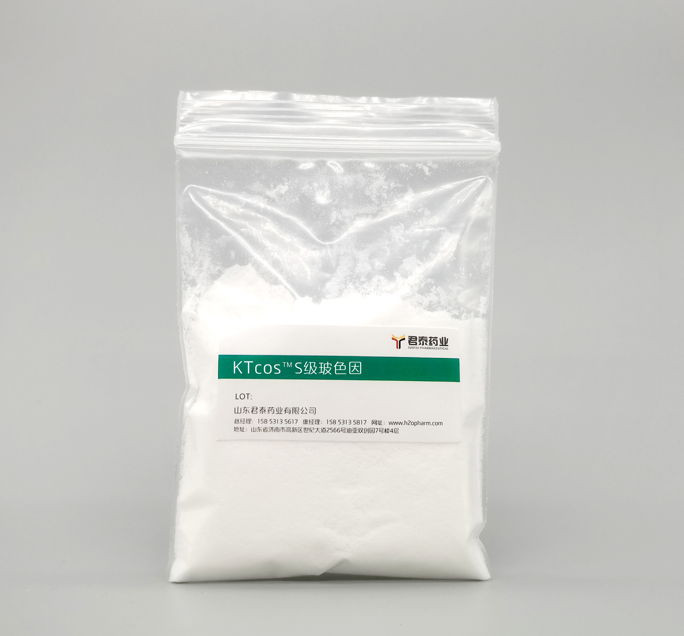
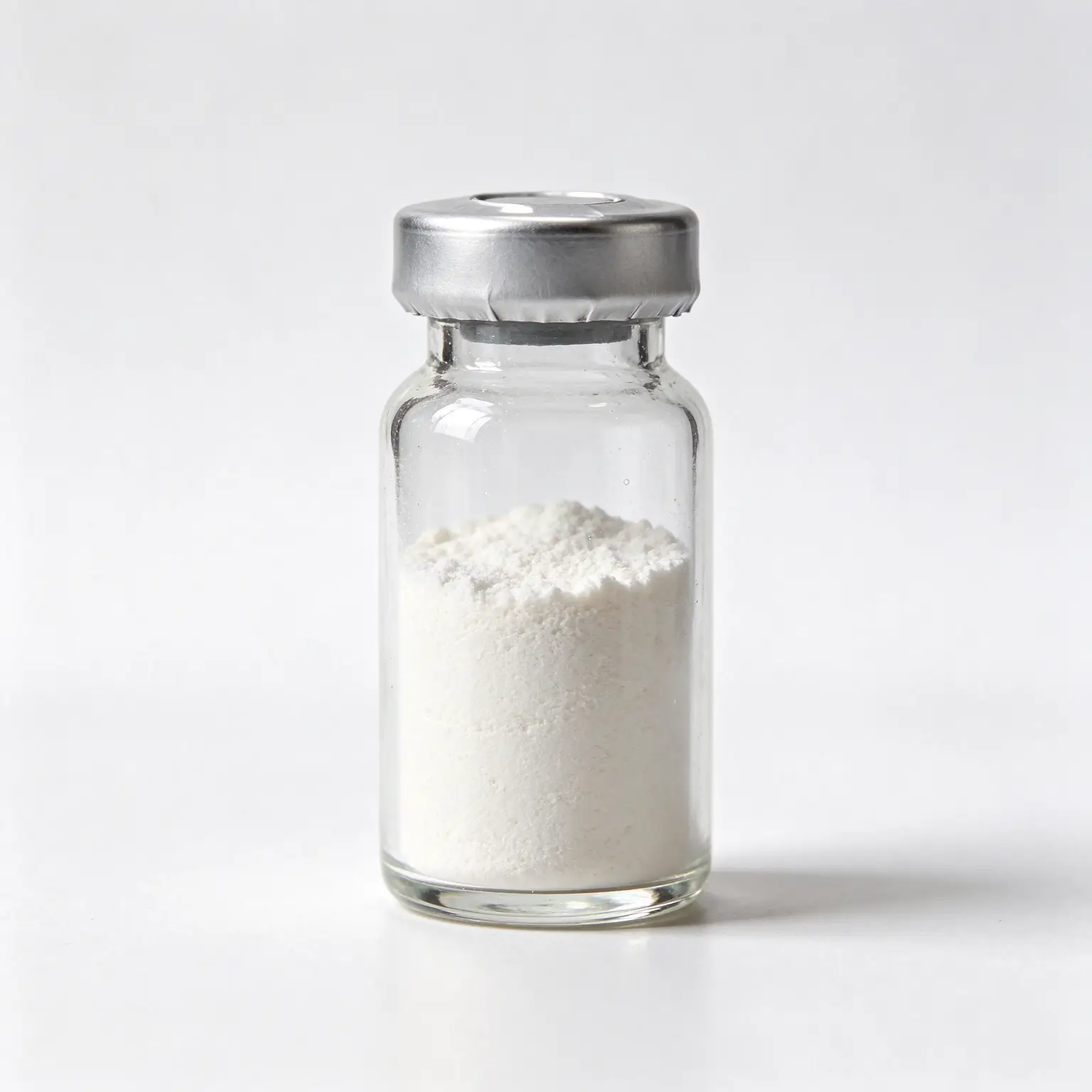
Appearance: White or almost white powder or fibrous aggregate
Cosmetic-Grade Sodium Hyaluronate: What It Is and Where It Fits
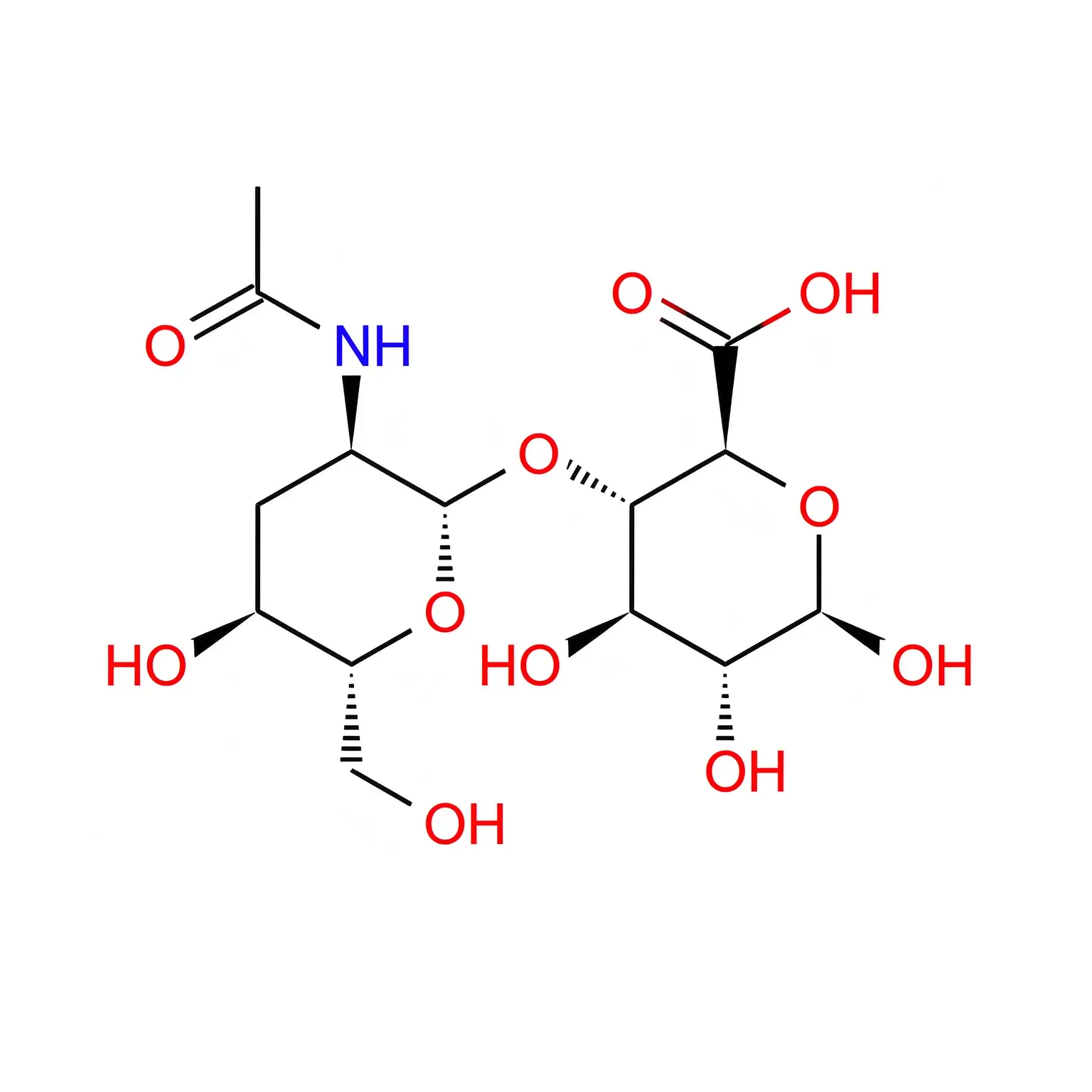
Sodium hyaluronate (CAS 9067-32-7) is the sodium salt form of hyaluronic acid, a linear polysaccharide built from repeating disaccharide units of D-glucuronic acid and N-acetyl-D-glucosamine. Supplied as a white or almost white powder, it is the form most widely used in skin care, where it acts as a humectant that binds water in the formula and on the skin surface.
This cosmetic grade is produced by microbial fermentation, so no animal tissue is involved, and is supplied at high molecular weight with assay ≥99%. It builds viscosity in aqueous systems, forms a continuous film after drying, and gives finished products a fuller sensory feel rather than only surface slip.
Technical Specification
| Item | Specification | Reference batch 26318261101W |
|---|---|---|
| CAS No. | 9067-32-7 | — |
| Assay | ≥99% | 100.6% |
| Appearance | White or almost white powder or fibrous aggregate | Complies |
| Identification | IR consistent with reference substance; sodium reaction positive | Complies |
| pH (1% solution) | 5.0–8.5 | 6.2 |
| Intrinsic viscosity | 1.6–2.2 m³/kg | 2.16 |
| Loss on drying | ≤15.0% | 7.9% |
| Protein | ≤0.1% | <0.003% |
| Nucleic acids (A260nm) | ≤0.5 | 0.009 |
| Bacterial endotoxins | <0.05 IU/mg | Complies |
| Total aerobic count | ≤100 cfu/g | Complies |
| Residual solvents | Ethanol ≤5000 ppm; methanol ≤300 ppm; formaldehyde ≤50 ppm | 43 ppm; <14 ppm; <11 ppm |
| Solubility | Soluble or sparingly soluble in water; practically insoluble in acetone and anhydrous ethanol | Complies |
| Storage | 2–8 °C, sealed, protected from light | — |
| Shelf life | 24 months | — |
How High Molecular Weight Sodium Hyaluronate Performs in Formulation
Viscosity and film formation Because the molecular weight sits in the high range, a small addition produces a noticeable viscosity increase and a continuous film after drying. Formulators typically use it where the product needs body rather than just surface slip — serums, essences, gels, gel-creams and moisturizing masks.
Hydration procedure The powder is strongly hygroscopic and hydrates gradually. Disperse it into the water phase under slow agitation and allow enough hydration time before adding the rest of the system. Adding it late, or into a phase that is already thickened, usually leaves lumps that are difficult to break down afterwards.
pH and compatibility In solution the material sits neutral to slightly alkaline, typically around pH 6. It is compatible with the usual anionic, nonionic and polymeric thickeners used in skin care, but should not be combined with strong cationic actives without a compatibility check, since the two can form an insoluble complex.
Packaging and Storage
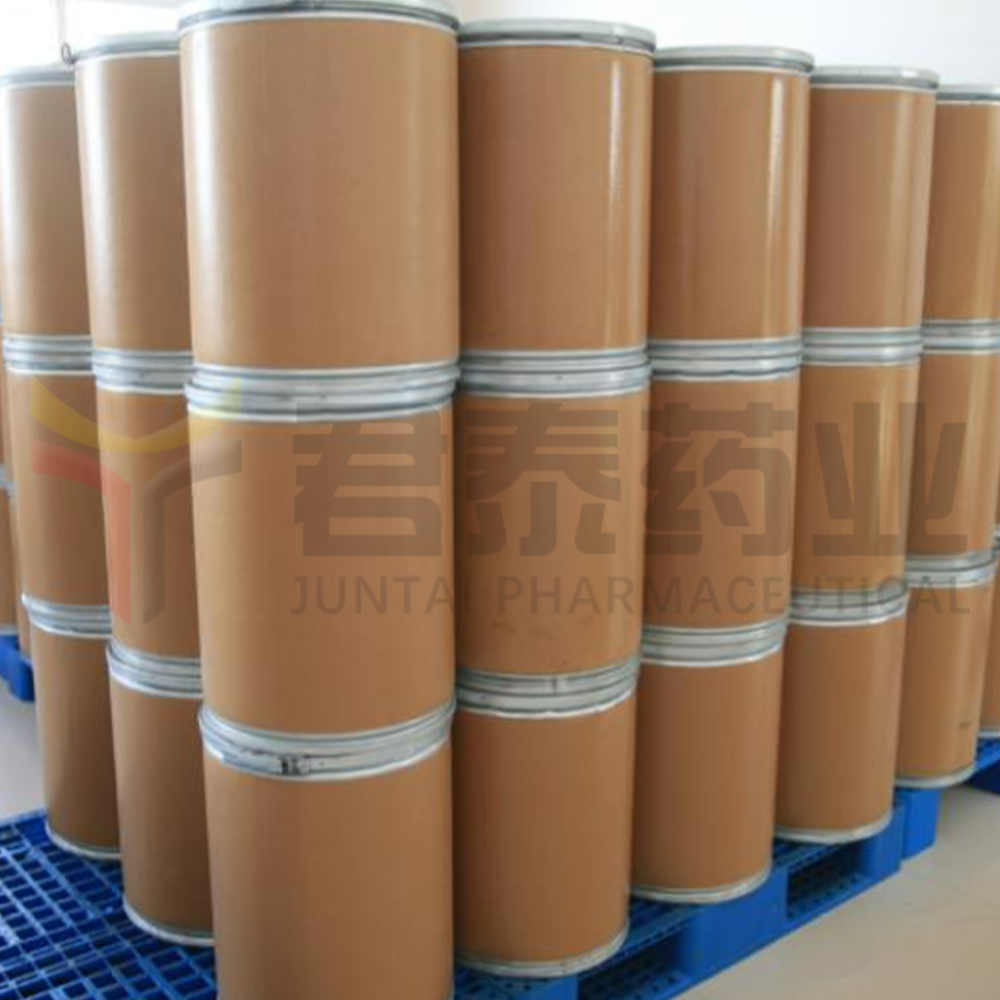
Sodium hyaluronate powder is supplied in 1 kg aluminum foil bags and 25 kg fiber drums with a double PE inner liner, the standard format for bulk orders. Custom packing from 100 g upward is available for trial and pilot batches. As a hygroscopic material it should be kept sealed, away from moisture and light, at 2–8 °C, and re-sealed promptly after sampling to preserve viscosity and dissolution performance.
Quality Control and Documentation
Every lot is released only after the full test panel is complete. A batch-specific Certificate of Analysis with quality control stamp, an MSDS and a specification sheet are provided with each shipment, so the delivered lot can be checked against released data rather than a generic datasheet. Third-party inspection such as SGS or BV can be arranged before shipment when a buyer requires independent verification.
Frequently Asked Questions
What purity can you supply? The product is supplied at assay ≥99%. Reference batch 26318261101W tested 100.6%, with protein below 0.003% and endotoxins below 0.05 IU/mg.
Which molecular weight grades are available? This grade is high molecular weight, with intrinsic viscosity specified at 1.6–2.2 m³/kg. Lower molecular weight ranges can be supplied on request for formulators who need a lighter texture or a different sensory profile.
What is the minimum order quantity for bulk sodium hyaluronate powder? Bulk supply starts from 1 kg, and custom packing from 100 g upward is available for trial and pilot batches.
Can I get a free sample before ordering? Yes. Evaluation samples are provided before bulk commitment so the material can be tested in the target formulation.
What is the price per kg? Price depends on quantity, molecular weight grade and packing format. Send the required quantity and destination and a quotation follows; the rate per kg decreases as order volume increases.
How is this different from hyaluronic acid CAS 9004-61-9? This product is the sodium salt, CAS 9067-32-7: it dissociates readily in water, gives a neutral to slightly alkaline solution, and is the form most commonly used in skin care. Hyaluronic acid in free acid form, CAS 9004-61-9, keeps its carboxylic groups protonated, gives a lower solution pH and contains no sodium, and is used where a sodium-free or lower pH system is required.
Which documents come with the goods? Batch-specific COA with quality control stamp, MSDS and specification sheet. Third-party inspection can be arranged before shipment on request.
Relevant Products
-
-
-
 Fmoc-Glu(OtBu)-Gly-Gly-OH
CAS:N/A


