
Product Details
Product Overview
LL-37 is a 37-amino-acid cationic peptide derived from the C-terminal region of the human cathelicidin precursor protein hCAP18. Its name reflects two characteristic features of the peptide: the sequence begins with two leucine residues, Leu-Leu, and contains a total of 37 amino acids.
The peptide contains multiple positively charged lysine and arginine residues together with several hydrophobic amino acids, giving LL-37 a characteristic cationic and amphipathic molecular profile.
In basic research, LL-37 is widely studied in relation to peptide–membrane interactions, cathelicidin biology, innate immune mechanisms, peptide conformation, and structure–function relationships.
This page provides scientific information about the molecular structure, biological research background, and analytical characterization of LL-37.
Molecular and Structural Information
| Item | Information |
|---|---|
| Name | LL-37 |
| Peptide Class | Cathelicidin-derived peptide |
| Peptide Length | 37 amino acids |
| Amino Acid Sequence | LLGDFFRKSKEKIGKEFKRIVQRIKDFLRNLVPRTES |
| Molecular Formula | C205H340N60O53 |
| Molecular Weight | Approx. 4493 g/mol |
| C-Terminus | Free carboxyl terminus |
| Structural Characteristics | Cationic and amphipathic linear peptide |
| Research Context | Cathelicidin biology, peptide–membrane interaction, innate immunity and peptide conformation |
The standard LL-37 sequence is represented as H-LLGDFFRKSKEKIGKEFKRIVQRIKDFLRNLVPRTES-OH.
Structural Features
Defined 37-Amino-Acid Sequence
LL-37 consists of the following 37-amino-acid sequence:
LLGDFFRKSKEKIGKEFKRIVQRIKDFLRNLVPRTES
Its defined linear sequence provides a useful molecular model for comparing full-length LL-37 with truncated fragments, sequence variants, and modified peptide analogs.
Research frequently examines how changes in peptide length or individual amino-acid positions influence conformation and molecular interaction.
Cationic Character
The LL-37 sequence contains several lysine and arginine residues.
These positively charged amino acids contribute to the overall cationic character of the molecule and are important when studying interactions with negatively charged molecular surfaces and membrane systems.
At approximately neutral pH, LL-37 is commonly described as carrying a net positive charge, which contributes to its interaction with anionic biological components.
Amphipathic Properties
LL-37 also contains hydrophobic residues including leucine, phenylalanine, isoleucine and valine.
The distribution of hydrophilic, charged and hydrophobic residues gives the peptide amphipathic properties. This structural feature is particularly relevant in studies involving lipid environments, membrane surfaces and peptide–lipid interactions.
Environment-Dependent Conformation
LL-37 does not necessarily adopt one identical conformation under all experimental conditions.
Its secondary structure can vary depending on factors such as solvent composition, ionic conditions and lipid environment. In membrane-associated environments, LL-37 is frequently studied for its tendency to adopt α-helical structural characteristics.
This makes LL-37 a useful model for investigating how changes in the surrounding environment influence peptide conformation and molecular behavior.
Cathelicidin Research Background
LL-37 and hCAP18
LL-37 is derived from the C-terminal region of the human cathelicidin precursor hCAP18.
Proteolytic processing of the precursor releases the 37-amino-acid LL-37 peptide. The mature peptide was named LL-37 because it begins with two leucine residues and contains 37 amino acids.
Research involving the hCAP18 / LL-37 system includes:
- Cathelicidin-related biology
- Innate immune signaling
- Peptide–cell interactions
- Peptide–membrane interactions
- Molecular recognition
- Peptide structure–function relationships
These areas belong primarily to basic biological and molecular research and should not be interpreted directly as clinical or therapeutic claims.
Peptide–Membrane Interaction Research
Interaction with Membrane Surfaces
The combination of cationic charge and amphipathic structure makes LL-37 a widely studied model in peptide–membrane research.
Typical research topics include:
- Peptide–membrane interaction
- Lipid–peptide association
- Membrane binding
- Charge-dependent molecular interaction
- Membrane-associated peptide conformation
- Amphipathic peptide behavior
Experimental models may include liposomes, artificial membrane systems and other biophysical membrane models.
Conformational Changes in Lipid Environments
The structural state of LL-37 may differ between aqueous and membrane-associated environments.
For this reason, LL-37 is often used to examine the relationship between:
Environmental conditions → peptide conformation → molecular interaction
This type of research helps clarify how amphipathic peptides respond to different physicochemical environments.
Innate Immunity-Related Research
LL-37 is frequently investigated in the context of innate immunity and host-defense peptide biology.
Research areas include:
- Cathelicidin-related signaling
- Peptide–cell interaction
- Innate immune molecular pathways
- Host-defense peptide biology
- Molecular recognition involving cationic peptides
LL-37 is the major mature cathelicidin peptide identified in humans and has been extensively studied as part of the human innate immune system.
Results obtained from biochemical, cellular or model-system studies should be interpreted within their respective experimental context rather than extrapolated directly to human clinical outcomes.
Structure–Function Relationship Studies
The defined sequence, charge distribution and amphipathic characteristics of LL-37 make it suitable for structure–function studies.
Common research approaches include comparison of:
- N-terminal or C-terminal truncation
- Individual amino-acid substitutions
- Net charge variation
- Hydrophobicity changes
- Peptide length
- Secondary structure
- Sequence-derived fragments
These studies can help clarify how sequence composition, charge, hydrophobicity and peptide conformation contribute to molecular behavior.
LL-37 and Related Peptide Fragments
In addition to full-length LL-37, scientific literature includes various LL-37-derived fragments and truncated peptide sequences.
These related peptides may differ from full-length LL-37 in:
- Sequence length
- Net charge
- Hydrophobicity
- Secondary structure
- Membrane interaction
- Molecular recognition
For this reason, experimental data obtained from an LL-37-derived fragment should not automatically be interpreted as equivalent to data generated using the complete 37-amino-acid peptide.
Clear identification of the exact peptide sequence is important when comparing research results.
Analytical and Structural Characterization
LL-37 can be investigated using established analytical techniques for peptide identity, molecular structure and conformation.
Common analytical approaches include:
- High-performance liquid chromatography (HPLC)
- Mass spectrometry (MS)
- LC-MS analysis
- Molecular-weight verification
- Sequence analysis
- Peptide mapping
- Secondary-structure analysis
- Circular dichroism (CD) spectroscopy
- Peptide conformation studies
HPLC and MS / LC-MS are commonly used for peptide-related identity and molecular-mass characterization.
For research focused on secondary structure, circular dichroism and related spectroscopic approaches can provide information on conformational changes under different experimental conditions.
Frequently Asked Questions
Why is the peptide called LL-37?
The name comes from its two N-terminal leucine residues, Leu-Leu, followed by the total peptide length of 37 amino acids.
What type of peptide is LL-37?
LL-37 is a human cathelicidin-derived peptide commonly studied in cathelicidin biology, innate immunity, peptide–membrane interaction and peptide structure research.
What is the amino acid sequence of LL-37?
The full sequence is:
LLGDFFRKSKEKIGKEFKRIVQRIKDFLRNLVPRTES
PubChem lists the mature structure with a free C-terminal carboxyl group.
Why does LL-37 have a cationic character?
Its sequence contains multiple positively charged lysine and arginine residues, which contribute to its overall positive charge.
Why is LL-37 studied in peptide–membrane interaction research?
Its combination of positive charge and amphipathic sequence characteristics makes it a useful model for examining peptide interactions with lipid membranes and other negatively charged molecular surfaces.
Does LL-37 always maintain the same secondary structure?
No. Its conformation can vary with solvent conditions, ionic environment, lipid composition and other experimental parameters.
Which methods are commonly used to characterize LL-37?
Common approaches include HPLC, MS, LC-MS, sequence analysis, peptide mapping and circular dichroism spectroscopy.
Relevant Products
-
 Fmoc-Tyr(tBu)-Ser[Psi(Me,Me)Pro]-OH
CAS:878797-09-2
-
 Fmoc-Lys(iPr,Boc)-OH
CAS:201003-48-7
-
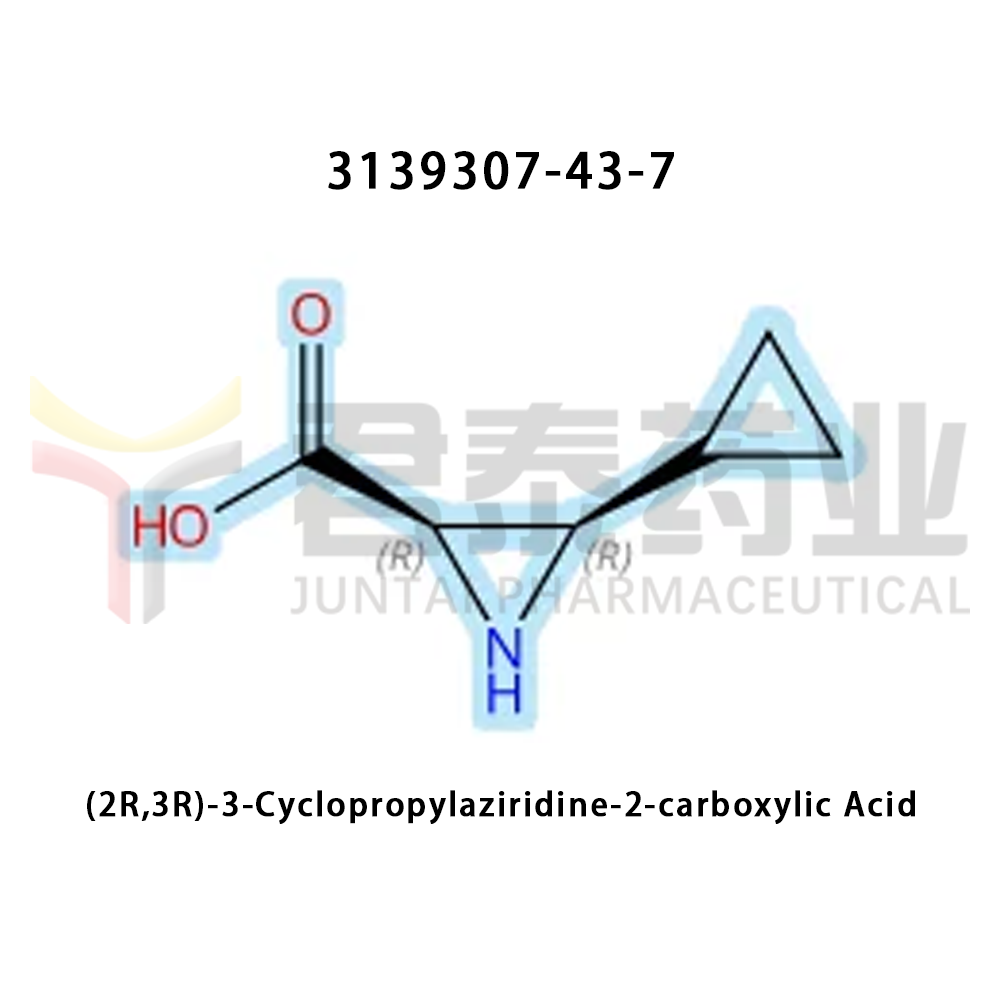 (2R,3R)-3-Cyclopropylaziridine-2-carboxylic Acid
CAS:3139307-43-7
-
 SS-31
CAS:/


