
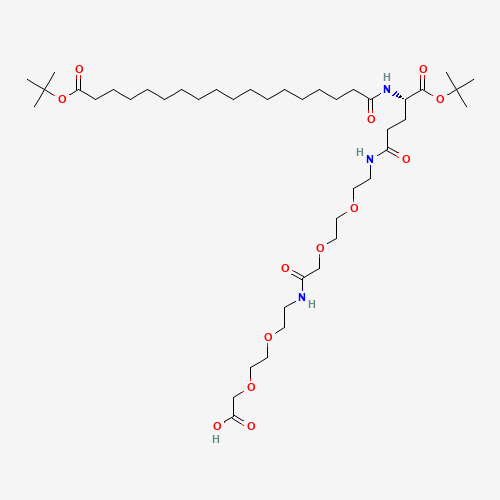
Semaglutide API CDMO: Process Development to Manufacturing
2026.10.20
Author: Shandong Juntai Pharmaceutical
Last updated: October 20, 2026
Semaglutide API manufacturing presents challenges that extend beyond peptide chain assembly. The process must account for sequence-related impurities, the incorporation of a lipid-containing side chain, purification selectivity, and the maintenance of product quality as batch size increases.
Shandong Juntai Pharmaceutical provides end-to-end CDMO services for Semaglutide API projects, covering process development, analytical support, purification, scale-up, and manufacturing according to the agreed project scope.
1. Defining the CDMO Scope
A Semaglutide API CDMO project may begin with route development, optimization of an existing process, technology transfer, or preparation for manufacturing. The starting point determines the work required.
Semaglutide API development should be distinguished from two related activities:
-
Semaglutide intermediate manufacturing, which focuses on specified building blocks or peptide fragments.
-
Finished drug-product manufacturing, which may involve formulation, sterile processing, filling, and packaging.
These activities require different technical deliverables and facility capabilities. A project involving API production does not automatically include finished injectable manufacturing.
Before development begins, the parties should agree on the material category, target specification, existing process status, expected batch size, analytical requirements, and applicable quality documentation.
2. What Buyers Should Provide for a Technical Assessment
A CAS number or product name alone is insufficient to assess a manufacturing project. The technical team needs to understand the required material and the evidence available to support development.
The most useful initial information includes:
| Information | Purpose |
|---|---|
| Target specification | Defines the required quality attributes and acceptance criteria |
| Existing process description | Identifies the synthesis route and known process limitations |
| Development-batch data | Provides evidence of process performance and reproducibility |
| Analytical results | Establishes the current purity and impurity profile |
| Target batch size | Supports preliminary scale-up and equipment assessment |
| Manufacturing and documentation requirements | Defines the expected production scope and quality deliverables |
| Target market | Identifies relevant regulatory requirements for further review |
If process data or a target specification is unavailable, this should be addressed during feasibility assessment. Immediate scale-up without sufficient process understanding can make it difficult to distinguish a genuine process limitation from a problem introduced by the change in scale.
Buyers can use the downloadable Semaglutide API CDMO Project Inquiry Checklist to organize the information available for an initial technical discussion.
3. Peptide Synthesis, Side-Chain Modification and Impurity Control
Semaglutide is a modified GLP-1 analogue containing a non-proteinogenic amino acid substitution and a lipid-containing side chain. These structural features create specific considerations for synthesis, impurity characterization, and purification.
Sequence-related impurities
Depending on the synthesis route, incomplete coupling, deletion sequences, incomplete deprotection, and other structurally related impurities may require investigation. Their formation can be influenced by the synthesis strategy, reagent quality, reaction conditions, and process handling.
The appropriate response depends on the impurity identified. A process adjustment may reduce its formation, while a purification change may be needed to improve separation from the target peptide. These approaches are not interchangeable: purification should not be expected to compensate for every process-related problem.
Side-chain incorporation
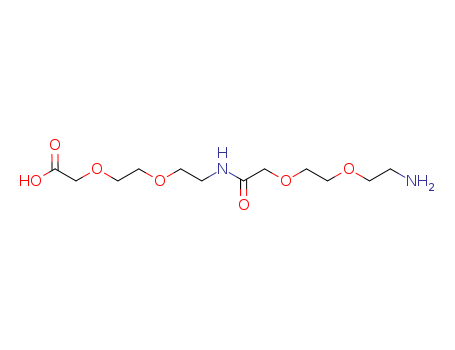
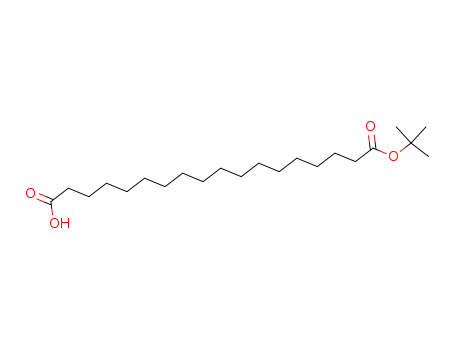
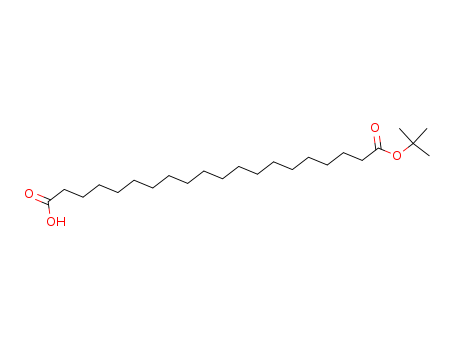
Semaglutide contains a lipid-containing side chain attached to the peptide through a linker. The side-chain assembly and incorporation stages introduce additional considerations beyond those associated with the peptide sequence alone.
Depending on the selected route, development may need to assess incomplete side-chain incorporation, related acylated species, residual protected intermediates, or other route-specific impurities. Analytical evidence should establish which species are present before corrective measures are selected.
Product stability
Potential degradation pathways, including oxidation or deamidation where structurally applicable, should be evaluated against the actual process conditions and analytical data. Temperature, pH, hold time, and sample handling may be relevant, but their significance must be established for the process under investigation.
The development objective is to understand the origin of relevant impurities and establish suitable controls, rather than simply pursuing a higher final purity figure.
4. Purification Development and Process Scale-Up
Purification performance and manufacturing feasibility should be evaluated together. A separation method that produces acceptable material at laboratory scale may become inefficient when loading, cycle time, product recovery, or equipment capacity changes.
Preparative reversed-phase chromatography may be appropriate for peptide purification, depending on the impurity profile and process design. The development team should assess:
-
Resolution between the target peptide and relevant impurities.
-
Loading capacity and its effect on separation performance.
-
Product recovery and losses across purification stages.
-
Flow rate, pressure limits, fraction collection, and cycle time.
-
Solvent consumption and the practical requirements of downstream processing.
The preferred purification strategy must balance impurity control, recovery, and throughput. A purity improvement that requires disproportionate product loss or impractical processing conditions may not represent a viable manufacturing solution.
Scale-up considerations
Scale-up requires assessment of how process parameters interact with the intended equipment. Relevant factors depend on the operation.
| Operation | Scale-dependent considerations |
|---|---|
| Synthesis and coupling | Mixing, temperature distribution, reagent addition, concentration, and vessel geometry |
| Purification | Column dimensions, loading, flow rate, pressure, and fraction collection |
| Filtration and transfer | Filter capacity, flow resistance, material loss, and hold time |
| Concentration and drying | Heat and mass transfer, product stability, and solvent-removal requirements |
For example, increasing column loading can improve throughput but may reduce impurity resolution. Increasing vessel size can also change mixing and temperature behavior. Laboratory parameters should therefore be assessed against the actual equipment and process configuration rather than transferred without technical justification.
A scale-up plan should define the evidence required at each stage, including relevant analytical results, process parameters, and criteria for determining whether the process is ready to advance.

5. Manufacturing Controls and Quality Documentation
The specification, manufacturing record, and Certificate of Analysis (COA) serve different purposes and should be consistent with one another.
The specification defines the applicable tests and acceptance criteria. The COA reports results for a particular batch. Batch records document the manufacturing activities and process information required by the applicable quality system.
For a Semaglutide API project, the agreed documentation package may include:
-
Product specification and batch-specific COA.
-
Relevant identity, assay, purity, and impurity results.
-
Manufacturing and in-process control records.
-
Material and batch traceability information.
-
Investigation records for relevant deviations or out-of-specification results.
The exact package depends on the project scope and applicable requirements. A COA alone does not establish that the manufacturing site is GMP-qualified or that the product has received regulatory approval.
Unexpected results should be investigated under documented procedures. Investigations should consider potential product-quality impact and identify a scientifically supported explanation where possible. Retesting should not be used simply to obtain a passing result.
The following guidelines provide relevant reference frameworks:
-
ICH Q7: Good Manufacturing Practice for Active Pharmaceutical Ingredients
-
ICH Q6A: Specifications, Test Procedures and Acceptance Criteria
The applicability of each guideline should be assessed against the specific material and project. These references do not independently establish the qualification of a particular facility or product.
6. Common Gaps in Semaglutide CDMO Projects
Several issues can prevent a project from progressing efficiently:
-
No defined target specification. A product name or CAS number is provided without agreed quality attributes and acceptance criteria.
-
Insufficient process data for scale-up. The available development results do not adequately establish process performance or the impurity profile.
-
Analytical and process development are disconnected. Process changes are proposed without suitable evidence to evaluate their effect on product quality.
-
Purity is prioritized over process feasibility. Product recovery, loading capacity, and manufacturing throughput are not considered together.
-
Equipment changes are inadequately assessed. Mixing, temperature control, purification loading, or downstream processing requirements have not been evaluated at the intended scale.
-
Documentation requirements remain unclear. The specification, COA, batch records, deviation handling, and review responsibilities have not been agreed.
-
CDMO capability is confused with regulatory status. Service capability is treated as proof of GMP certification, a DMF, or product approval without verification.
-
API and finished-product scopes are conflated. The parties have not established whether formulation, sterile filling, or other separate activities are included.
These gaps should be resolved during project assessment, before manufacturing scope and commitments are finalized.
7. Juntai's Semaglutide API CDMO Services
Shandong Juntai Pharmaceutical provides end-to-end CDMO services for Semaglutide API projects. The technical scope is determined by the customer's development stage, target specification, available process data, manufacturing requirements, and quality-documentation needs.
The project may involve process development, analytical support, purification assessment, scale-up planning, API manufacturing, and technology transfer, subject to confirmation of the specific deliverables and responsibilities.
Learn more about Juntai's Semaglutide API CDMO services and peptide process development capabilities. The Semaglutide product information page provides the related product reference.
The manufacturing site, production scale, quality-system status, and regulatory documentation must be confirmed for the individual project. End-to-end CDMO services do not automatically imply a particular GMP certification, DMF status, or finished-product approval.
Frequently Asked Questions
What does a Semaglutide API CDMO project include?
Depending on the agreed scope, it may cover process development, impurity profiling, purification, analytical support, scale-up, API manufacturing, batch documentation, and technology transfer.
Why should impurity profiling be considered during process development?
Impurity data help identify potential sources of quality variation and determine whether process optimization, additional characterization, or improved separation is required.
Does Semaglutide API CDMO include finished injectable manufacturing?
Not automatically. API manufacturing is distinct from formulation, sterile filling, and finished-dose production. These activities require separate confirmation of scope and capabilities.
Does end-to-end CDMO service mean the facility is GMP-certified?
No. Manufacturing-site qualification, GMP status, regulatory submissions, and product approval must be verified separately for the relevant facility, product, and intended market.
Conclusion
Semaglutide API CDMO requires coordinated control of peptide synthesis, side-chain incorporation, impurity formation, purification, and scale-dependent process behavior. These technical considerations should be addressed alongside analytical development and manufacturing documentation.
A defined target specification and a clear understanding of the existing process provide the basis for assessing development requirements and manufacturing feasibility.
Shandong Juntai Pharmaceutical provides end-to-end CDMO services for Semaglutide API projects, with the technical scope and deliverables established according to project requirements.
This article is intended for technical and procurement planning. It does not constitute regulatory advice or confirm the qualification of any specific manufacturing site or product.
Semaglutide API CDMO Project Inquiry Checklist
Use the project inquiry checklist to organize target specifications, existing process data, analytical requirements, expected batch quantities, and documentation needs before an initial technical discussion.


