
![Fmoc-L-Lys[C20-OtBu-γ-Glu(OtBu)-AEEA-AEEA]-OH](/upload/2026/7/89-1.jpg "Fmoc-L-Lys[C20-OtBu-γ-Glu(OtBu)-AEEA-AEEA]-OH")
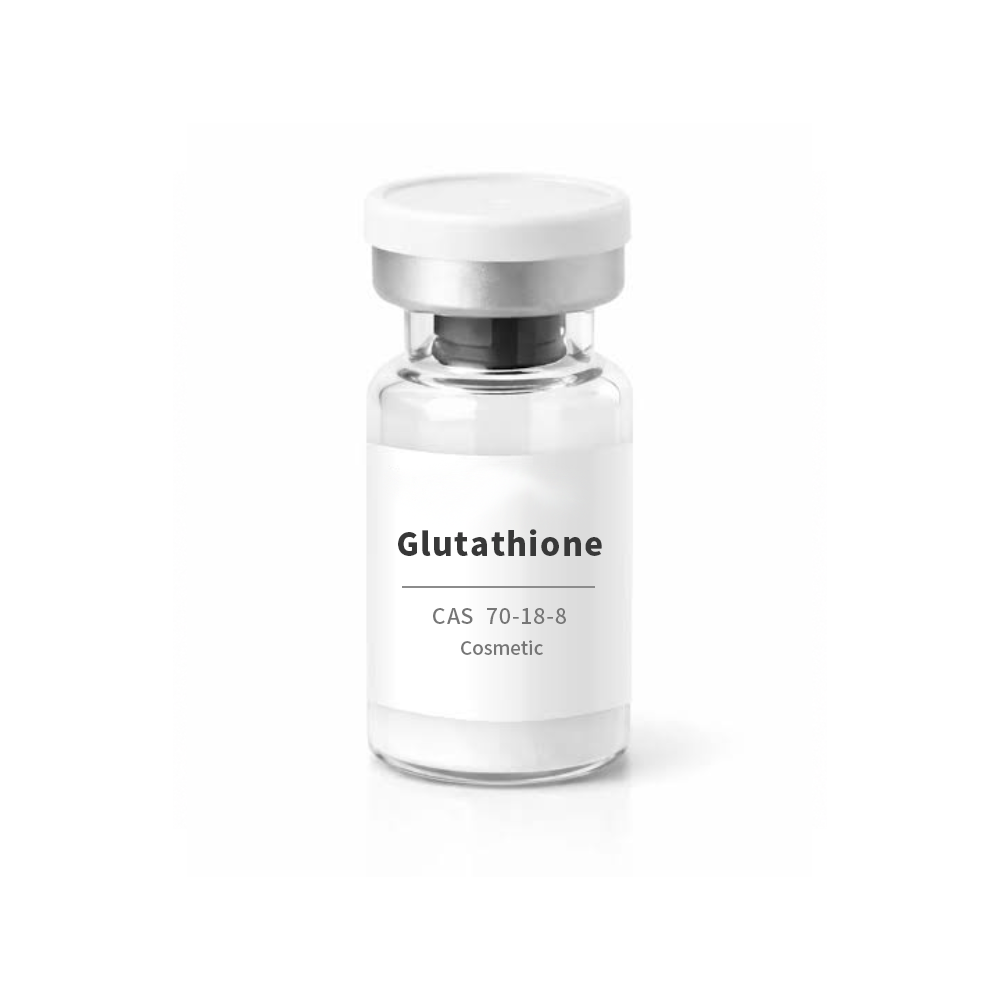
Reduced Glutathione | CAS 70-18-8
- cas:70-18-8
- Molecular Formula:C10H17N3O6S
- Purity:≥98%
- Molecular Weight:307.33 g/mol
Product Details
CasNo: 70-18-8
Molecular Formula: C10H17N3O6S
Appearance: White to almost white powder
Delivery Time: Confirmed according to order quantity, target specification, packaging requirements, and current supply availability
Packing: Available according to order quantity and project requirements
Throughput: Evaluated based on project requirements, specifications, and order quantity
Purity: ≥98%
Product Overview
Reduced Glutathione, CAS 70-18-8, also known as L-Glutathione Reduced or GSH, is a naturally occurring tripeptide composed of glutamic acid, cysteine, and glycine.
Its structure is commonly represented as γ-Glu-Cys-Gly, in which glutamic acid is linked to cysteine through a γ-glutamyl bond. Reduced Glutathione has the molecular formula C10H17N3O6S and a molecular weight of approximately 307.33 g/mol.
In cosmetic and personal-care formulations, Reduced Glutathione is used as a functional cosmetic ingredient in antioxidant-focused and skin-conditioning formulations. It can be evaluated for use in serums, creams, lotions, and multi-active skin-care systems.
Shandong Juntai Pharmaceutical supports B2B supply of Reduced Glutathione for cosmetic brands, formulation laboratories, ingredient distributors, and personal-care R&D projects. Assay, packaging, analytical specifications, and supporting documentation are confirmed according to the actual batch and project requirements.
Product Information
| Item | Information |
|---|---|
| Product Name | Reduced Glutathione |
| INCI Name | Glutathione |
| Synonyms | L-Glutathione Reduced / GSH / Reduced L-Glutathione |
| CAS No. | 70-18-8 |
| EC No. | 200-725-4 |
| Molecular Formula | C10H17N3O6S |
| Molecular Weight | 307.33 g/mol |
| Peptide Type | Tripeptide |
| Structural Representation | γ-Glu-Cys-Gly |
| Components | Glutamic Acid / Cysteine / Glycine |
| Product Category | Cosmetic Active Ingredient |
| Appearance | White to almost white powder |
| Typical Assay | ≥98% |
| Main Applications | Serums, creams, lotions, and multi-active cosmetic formulations |
| Storage | Keep sealed, protected from light and moisture, preferably under cool conditions |
Product Features
Defined Reduced Glutathione Structure
Reduced Glutathione is a tripeptide composed of glutamic acid, cysteine, and glycine.
Unlike a conventional linear tripeptide, the glutamic acid residue is connected to cysteine through its γ-carboxyl group, giving the molecule its characteristic γ-Glu-Cys-Gly structure.
The cysteine residue contains a free thiol group, which is an important structural feature of the reduced form.
Reduced Glutathione Is Different from Oxidized Glutathione
Reduced Glutathione and Oxidized Glutathione should not be treated as interchangeable raw materials.
| Item | Reduced Glutathione | Oxidized Glutathione |
|---|---|---|
| Common Abbreviation | GSH | GSSG |
| Product Form | Reduced form | Oxidized form |
| CAS No. | 70-18-8 | Different CAS record |
| Product on This Page | Yes | No |
For B2B sourcing, specifying Reduced Glutathione / GSH helps avoid confusion between the two forms.
Suitable for Cosmetic Formulation Development
For cosmetic ingredient qualification, Reduced Glutathione should be evaluated using more than a single assay value.
Relevant parameters may include:
- Assay / purity
- Identity
- Appearance
- Solubility
- Loss on drying
- Related substances
- Oxidized glutathione level
- Heavy metals
- Microbial limits
- Storage stability
These factors provide a more useful basis for cosmetic formulation development and raw-material qualification.
Formulation Stability Requires Attention
Because Reduced Glutathione contains a reactive thiol group, its stability can be influenced by formulation and storage conditions.
Formulators should consider:
- Oxygen exposure
- Light
- Temperature
- pH
- Metal ions
- Other active ingredients
- Packaging conditions
Final compatibility and stability should be confirmed in the complete formulation rather than inferred from the raw material alone.
Applications
Facial Serums
Reduced Glutathione can be evaluated for use in facial serums and concentrated multi-active formulations as a functional cosmetic ingredient.
Its compatibility with other actives should be verified through formulation-specific stability testing.
Creams and Lotions
GSH may also be incorporated into creams, lotions, emulsions, and other leave-on skin-care products.
Processing conditions, pH, exposure to air, and interactions with other ingredients should be reviewed during formulation development.
Antioxidant-Focused Cosmetic Formulations
Reduced Glutathione is commonly associated with redox and antioxidant systems and can be used in formulations designed around antioxidant ingredient positioning.
For cosmetic communication, appropriate wording includes:
- Antioxidant cosmetic ingredient
- Skin-conditioning formulation
- Functional cosmetic active
- Multi-active skin-care formulation
This keeps product positioning within a cosmetic context rather than presenting it as a therapeutic ingredient.
Multi-Active Skin-Care Systems
Reduced Glutathione may be combined with other cosmetic ingredients in multi-active formulations.
Where peptides, vitamin derivatives, botanical actives, or other antioxidant ingredients are used together, compatibility and long-term stability should be evaluated in the final formula.
Quality & Supply
Reduced Glutathione quality should be evaluated through a combination of assay, identity, impurity control, and formulation-related parameters.
| Quality Item | Typical Requirement / Consideration |
|---|---|
| Assay / Purity | Common target ≥98% |
| Identity | Confirmed according to analytical specification |
| Molecular Formula | C10H17N3O6S |
| Molecular Weight | 307.33 g/mol |
| Appearance | White to almost white powder |
| Related Substances | Confirmed according to batch specification |
| Oxidized Glutathione | Confirmed where required |
| Loss on Drying | Confirmed according to batch specification |
| Heavy Metals | Confirmed according to applicable specification |
| Microbial Limits | Confirmed where required |
| Solubility | Evaluated according to product and formulation conditions |
| Storage | Sealed, protected from light and moisture, preferably under cool conditions |
A ≥98% assay is commonly seen in commercial Reduced Glutathione materials, but final specifications should always be based on the actual supply batch.
Shandong Juntai Pharmaceutical can review supply requirements according to target quantity, assay, packaging format, and formulation needs.
If a project requires specific assay, HPLC data, related-substance limits, oxidized glutathione level, heavy metals, microbial limits, solubility information, or technical documentation, these requirements can be submitted during the inquiry stage for confirmation.
Custom Support
Projects involving Reduced Glutathione and other functional cosmetic ingredients can be discussed according to formulation and sourcing requirements.
Project support may include:
- Reduced Glutathione raw material supply
- Target assay requirements
- Cosmetic formulation projects
- Packaging specification review
- Analytical requirement review
- Quality specification communication
- Formulation-related technical discussion
- Related antioxidant or peptide cosmetic ingredients
Specific supply conditions are evaluated according to order quantity, target specification, quality requirements, and current production conditions.
Frequently Asked Questions
Is Reduced Glutathione the same as Glutathione?
In raw-material sourcing, Reduced Glutathione, L-Glutathione Reduced, and GSH commonly refer to the reduced form associated with CAS 70-18-8.
For procurement purposes, specifying “Reduced” is recommended to avoid confusion with Oxidized Glutathione, or GSSG.
Is Glutathione a peptide?
Yes. Glutathione is a tripeptide composed of glutamic acid, cysteine, and glycine.
Its structure is commonly represented as γ-Glu-Cys-Gly.
What assay is commonly requested for Reduced Glutathione?
A common commercial target is ≥98%.
Actual assay, analytical method, and impurity limits should be confirmed against the specific supply batch and COA.
What cosmetic products can use Reduced Glutathione?
Reduced Glutathione can be evaluated for use in serums, creams, lotions, and other multi-active cosmetic formulations.
Final use conditions should be determined according to formulation compatibility, stability testing, and applicable cosmetic regulations.
What should formulators consider when using Reduced Glutathione?
Key considerations include pH, oxygen exposure, temperature, light, metal ions, compatibility with other active ingredients, and packaging conditions.
Finished-product stability should be verified through formulation-specific testing.
What quality parameters should buyers check?
In addition to assay, buyers may consider:
- Identity
- Related substances
- Oxidized glutathione level
- Loss on drying
- Heavy metals
- Microbial limits
- Appearance
- Solubility
- Storage requirements
The exact specification should match the intended formulation and target market.
Can COA and technical documentation be provided?
Availability of COA, analytical data, and other technical documentation depends on the actual supply batch.
Specific testing or documentation requirements can be provided during the inquiry stage for confirmation.
What is the MOQ for Reduced Glutathione?
MOQ depends on the requested specification, order quantity, packaging format, and current supply conditions.
Providing the expected purchase quantity helps determine an appropriate supply option.
What is the typical lead time?
Lead time depends on order quantity, target assay, packaging requirements, and current supply availability.
Projects requiring special specifications or additional testing may require a project-specific lead-time evaluation.
For use as a cosmetic ingredient. Final formulations should comply with applicable cosmetic regulations and product-safety requirements in the target market.
Relevant Products
-
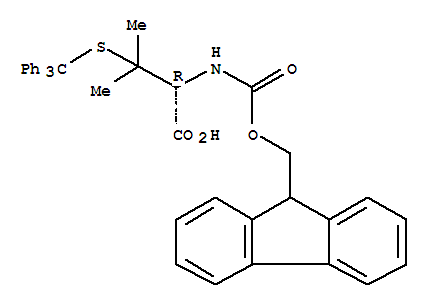 Fmoc-L-Pen(Trt)-OH
CAS:201531-88-6
-
 GHK-Cu
CAS:89030-95-5
-
 NAD+ | CAS 53-84-9
CAS:53-84-9


