NAD+ vs. NMN vs. NR vs. NADH: What Cosmetic Formulators Need to Know
2026.10.30
Confused about which nucleotide to use in your anti-aging skincare formulation? We break down the chemical differences between NAD+, NMN, NR, and NADH for cosmetic formulators.
In the rapidly evolving anti-aging skincare market, several nucleotide compounds have captured the spotlight: NAD+ (Nicotinamide Adenine Dinucleotide), NMN (Nicotinamide Mononucleotide), NR (Nicotinamide Riboside), and NADH (Reduced NAD).
While consumers primarily debate which of these to swallow as a daily supplement, cosmetic formulators and R&D teams face a much more complex set of questions: Which one is stable in an emulsion? Which one penetrates the skin barrier effectively? And which functions best as a direct NAD+ cosmetic ingredient?
Whether you are designing a next-generation anti-aging serum or an energy-boosting facial essence, understanding the chemical and functional differences between these compounds is essential. Here is what you need to know before selecting your raw materials.
The Core Chemistry: The End Product vs. The Precursors vs. The Reduced Form
To understand how these ingredients function in a cosmetic formula, we must look at their biological relationship:
-
NAD+ is the essential oxidized coenzyme directly involved in cellular energy metabolism (ATP production) and DNA repair.
-
NMN and NR are "precursors." They are smaller molecules that the body converts into NAD+ intracellularly.
-
NADH is the reduced form of NAD+. It carries electrons and acts as a powerful antioxidant, but it has a different oxidation state than NAD+.
1. Molecular Size and Skin Penetration
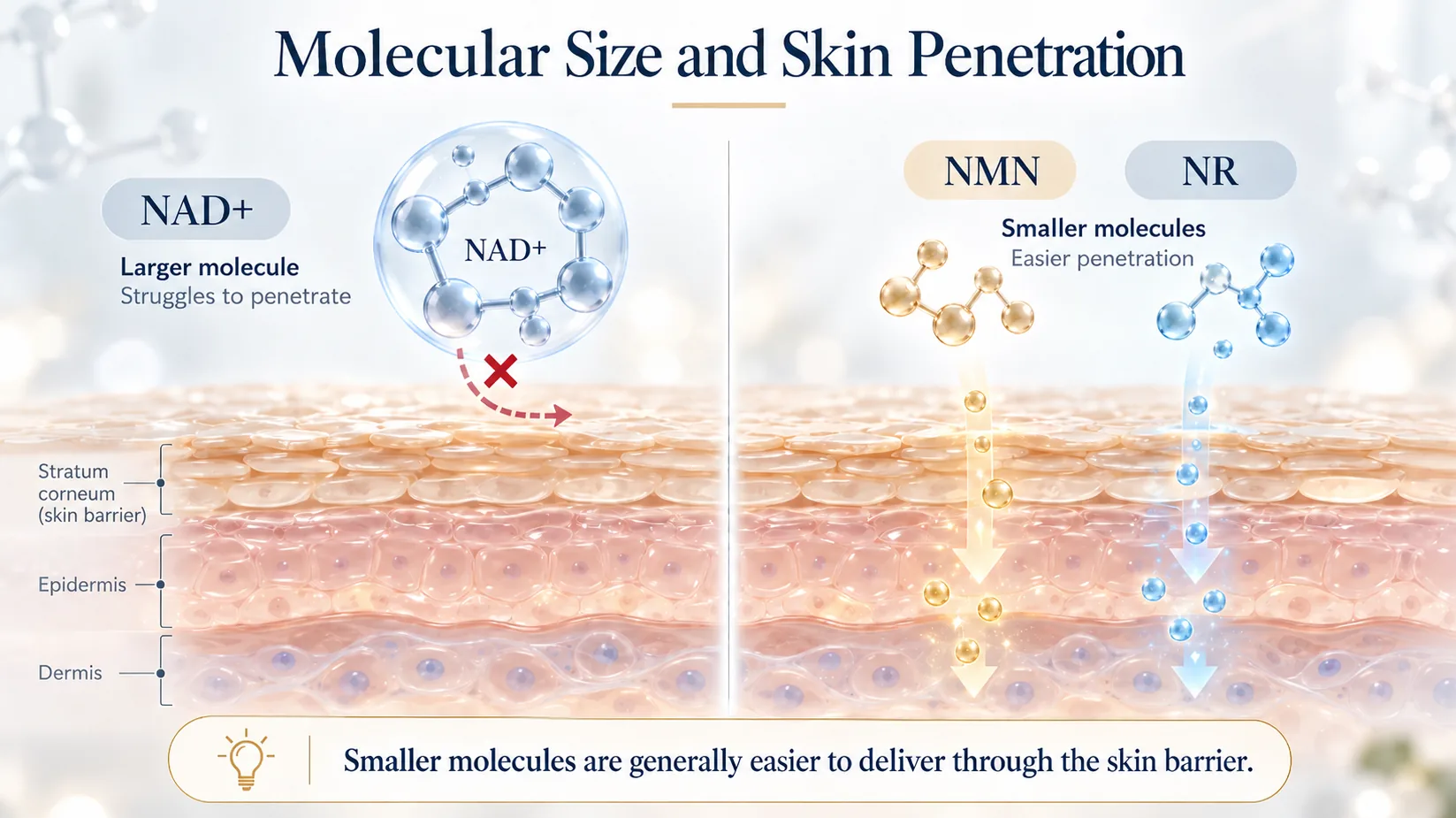
The Challenge with NAD+ (and NADH):
NAD+ (CAS 53-84-9) is a large molecule (Molecular Weight: 663.43 g/mol). Historically, formulators have struggled with its topical delivery because large molecules have difficulty penetrating the stratum corneum (the skin barrier).
However, in modern cosmetic science, NAD+ is highly valued not just as an intracellular ingredient, but as a powerful extracellular signaling molecule. To overcome the penetration barrier, advanced delivery systems (such as liposomes) are often utilized to maximize its surface antioxidant benefits. NADH, sharing a similar large size, is generally used for its strong reducing properties but requires careful stabilization.
The Advantage of NMN and NR:
NMN and NR have much smaller molecular weights. They can penetrate the skin barrier more readily and are then converted into NAD+ inside the skin cells.
2. Stability When Formulating with NAD+
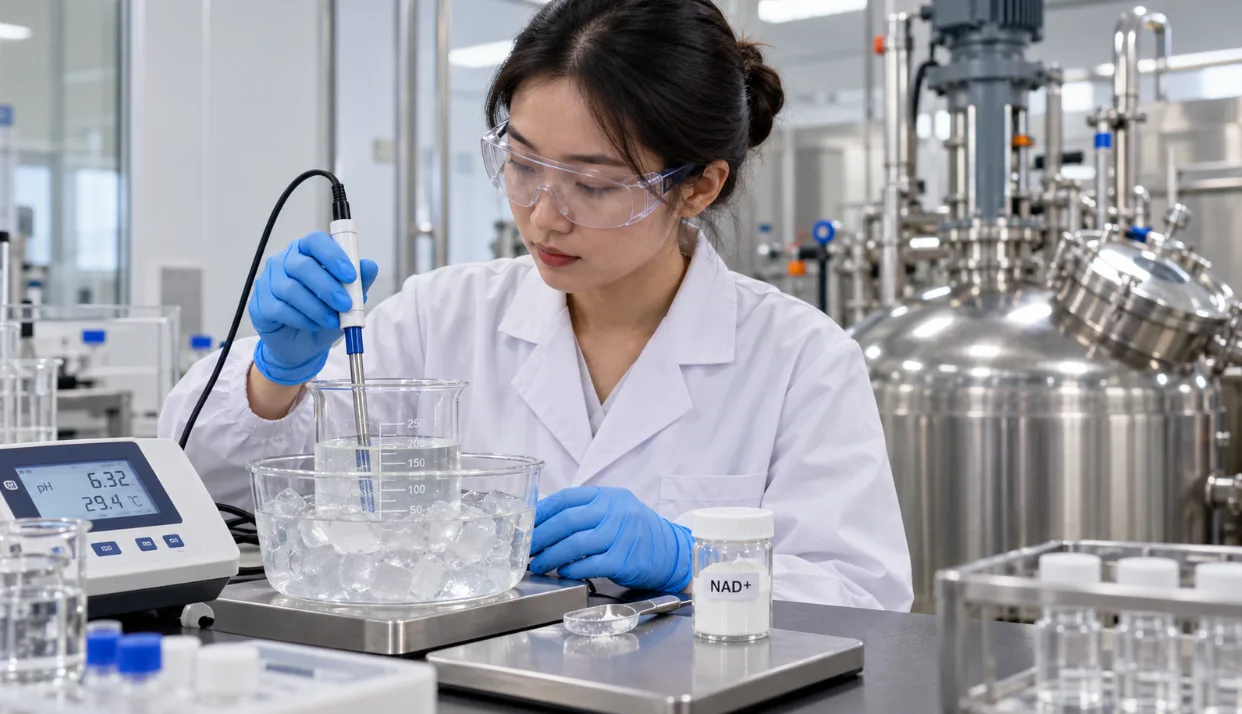
When adding nucleotides to cosmetics, stability is the ultimate dealbreaker.
-
NAD+ Stability: NAD+ is water-soluble but sensitive to temperature and extreme pH levels. For formulators, it is best added during the cool-down phase (<40°C) and requires a formulation pH between 5.0 and 7.0 to maintain optimal stability.
-
NADH Stability: Being a highly reactive reducing agent, NADH is highly unstable in aqueous solutions and is easily oxidized by air and light. It is rarely used in standard water-based cosmetics unless specifically microencapsulated.
-
NMN and NR Stability: While more stable in some aqueous solutions, they also degrade if not formulated carefully.
Formulator Tip: Always request a comprehensive TDS (Technical Data Sheet) to understand the recommended processing conditions and compatibility of your raw materials.
3. Application Scenarios: How to Choose?
If you are a cosmetic formulator, here is how you might choose between these ingredients based on your target claims:
-
When to choose NAD+:
-
Direct Antioxidant & Cellular Energy Claims: Ideal for high-end anti-aging serums and essences. NAD+ acts directly to combat oxidative stress.
-
DNA Repair Support: It directly participates in cellular repair mechanisms, making it a perfect hero ingredient for restorative night creams.
-
-
When to choose NMN / NR:
-
Deep Cellular Rejuvenation: If your marketing angle is focused on "penetrating deep into the skin layers to rebuild the cellular energy factory," NMN and NR are excellent candidates due to their smaller size.
-
-
When to choose NADH:
-
Potent Reduction/Antioxidant: Used in specialized anti-aging or brightening formulations where its strong electron-donating properties are desired.
-
4. Sourcing the Right Raw Material
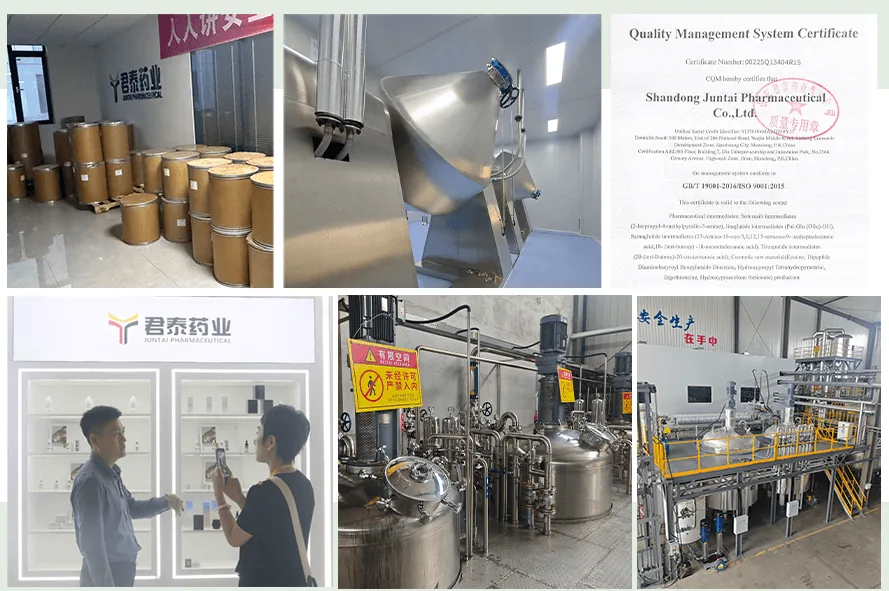
The quality of your raw materials dictates the efficacy of your final product. When looking for a reliable NAD+ supplier, purity, impurity profile, and the manufacturing environment are non-negotiable.
At H2O Pharm, we leverage modern pharmaceutical GMP standards to produce high-purity Beta-Nicotinamide Adenine Dinucleotide (NAD+) (CAS 53-84-9).
Why partner with us for your raw material sourcing?
-
≥95% by HPLC: Strictly controlled and verified in every batch to ensure reliable efficacy. (We guarantee exact consistency with our COA).
-
Comprehensive Documentation: Full COA, TDS, and MSDS provided for seamless regulatory and R&D compliance.
-
Flexible Supply: From gram-level R&D samples to bulk commercial production, we support brands of all sizes.
-
Formulation Support: Our R&D team is ready to assist you with stability testing, compatibility, and formulation guidance.
Frequently Asked Questions
Q: Can NAD+ be used in water-based serums?
A: Yes. NAD+ is highly water-soluble. It is best incorporated into the water phase during the cool-down stage (below 40°C) to prevent thermal degradation.
Q: Is NAD+ compatible with other active ingredients like Peptides or Hyaluronic Acid?
A: Absolutely. NAD+ is highly compatible with a wide range of cosmetic actives. It works synergistically with peptides (like Matrixyl) and Hyaluronic Acid to enhance overall skin hydration and anti-aging performance.
Q: What is the recommended usage rate for NAD+ in cosmetics?
A: We generally recommend a usage rate of 0.5% to 2.0%, depending on your specific formulation goals and claims.
Ready to elevate your anti-aging formulations?
👉 Request a Free NAD+ Sample Today or 👉 Contact our Technical Team to download the complete TDS and COA.


